Wollmatten: 7 Honest Facts About Wool Mats Before You Buy
Wollmatten sounds like a product brand, but it is simply German for “wool mats,” and that plain meaning is why dozens of English articles can describe it in glowing, vague terms without ever naming a product. This guide explains what the word means, what wool can and can’t do as a floor covering, where the popular explainers go beyond their evidence, and what to check before you spend money on a wool mat.
A note on method: I read two of the English explainers in full (daily.uk.com and speculativechic.com), looked at the search results for the rest, and checked Duden for the German word “Matte.” A third page I tried to open failed to load. For wool’s properties I used a fact sheet from the American Sheep Industry Association and a carpet-supply vendor page, and I note where each comes from. I did not test any mat, and I found no brand called Wollmatten.
The Short Answer
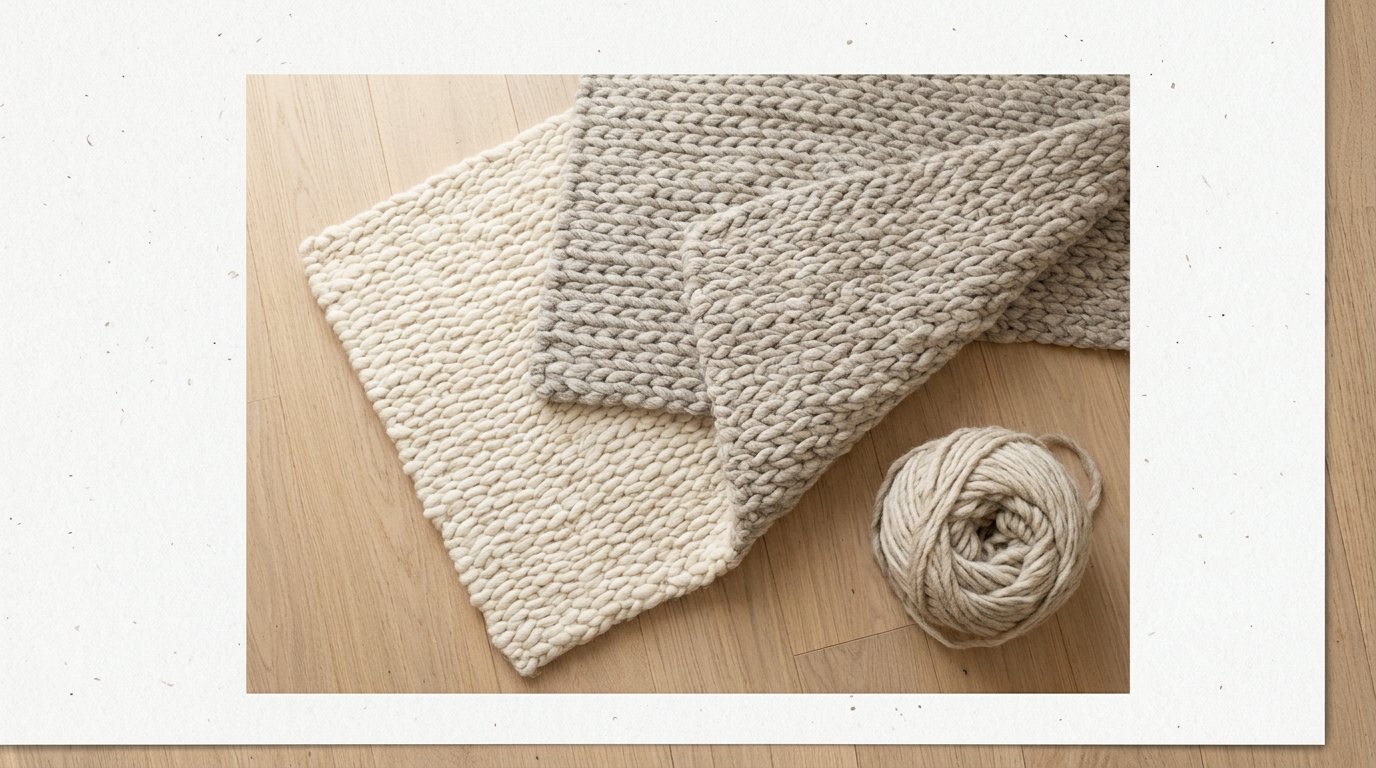
Wollmatten is the plural of the German Wollmatte, a compound of Wolle (wool) and Matte (mat). Duden defines Matte as a base or pad made of coarse woven material, or a soft, springy pad with a firm cover, and gives its plural as Matten. I couldn’t find a standalone dictionary entry for the compound itself, which is normal in German, where compounds are formed freely. So wollmatten means mats made of wool, not a company, a patented material or a technology.
7 Honest Facts About Wollmatten
1. Wollmatten Is a Descriptive Word, Not a Brand
German builds new nouns by joining old ones, so Wollmatte needs no dictionary entry to be understood. Searching the English web for it returns a cluster of near-identical explainers, many on small blog and “.it.com” or “.uk.com” style domains. They describe a product category, not one maker. Don’t look for a company by that name. Look for wool mats, wool rugs or wool felt mats from named makers.
2. Wool Really Does Absorb a Lot of Moisture
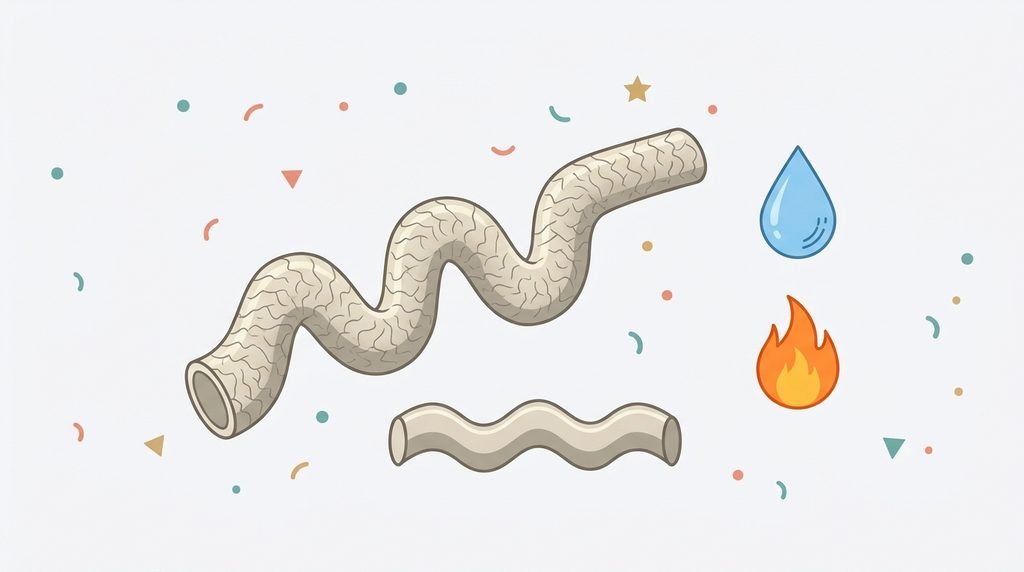
An American Sheep Industry Association fact sheet says, “Wool can easily absorb up to 30% of its weight in moisture without feeling damp or clammy.” Note the words “up to.” A carpet-supply vendor’s page lists the same figure as a maximum, not a typical value. One explainer I read repeats the 30% number without a source, which is why it is worth knowing where it comes from.
3. Wool Resists Fire, but It Is Not Fireproof
The same fact sheet states that wool is “self-extinguishing” and “will not support combustion.” The vendor page says wool does not melt and rates its cigarette-burn resistance as very good, yet its own properties table lists the melt point as “none (ignites).” Both statements fit one fact: wool chars and tends to stop burning once the flame is removed, but it can ignite. An explainer claiming wool mats are used in “schools and laboratories” named none, so I can’t confirm it.
4. Durability Depends on the Mat, Not the Fiber Alone
Explainers say wool mats last “decades.” The vendor page is more careful: it calls wool carpet’s wear “good” and says nylon and olefin will last longer in high-traffic areas. The same page says wool can stretch up to 30 percent and bounce back, thanks to its coiled fiber structure. How long a mat lasts also depends on density, backing, foot traffic and cleaning, none of which a general article can tell you.
5. “Biodegradable” Needs a Caveat
Wool is a natural protein fiber, and one explainer calls the mats fully biodegradable. Yet the same page says wool is often blended with synthetic fibers and chemically treated for moth and stain resistance. Another page admits some mats are dyed and washed with unspecified treatments. A blended, dyed or latex-backed mat is not the same as plain felted wool, so read the material label, not the headline.
6. Safety Claims for Babies Have No Cited Testing
One explainer’s FAQ says wollmatten are “generally safe” for babies but cites no certification or test. For a baby mat or a play mat, ask the seller for the fiber content, any dyes or finishing treatments and independent certifications, and keep in mind that wool can trigger reactions in some people. If a child has allergies or skin conditions, ask a pediatrician.
7. The Explainers Contradict Themselves and Don’t Cite Much
Reading them side by side shows a pattern:
- One page, dated September 2025 and credited to “Dorian,” runs about 1,500 to 1,700 words and names no studies, researchers or organizations, yet states precise-sounding claims.
- That page’s reading time differs between its visible label (“6 mins”) and its metadata (“7 minutes”), and its site name appears two different ways.
- Another page, of about 1,150 words, cites one real-estate services firm as its only source, and its author bio describes a writer on AI tools.
- Another title pushes the term into “smart buildings” for commercial spaces. I could not open that page, and I found nothing to support the idea.
None of that makes wool mats a bad product. It means the explainers are not a reliable buying guide.
What Is Verified About Wollmatten and What Is Not
| Claim | Status |
|---|---|
| It means “wool mats” in German | Consistent with Duden’s definition of Matte and standard German word formation |
| Wool absorbs up to 30% of its weight in moisture | Stated by the American Sheep Industry Association; a maximum, not a typical value |
| Wool is self-extinguishing | Stated by the same source; a vendor table notes it still ignites |
| Wool mats last decades | Unsupported; depends on construction and use |
| Fully biodegradable | Not for blended, dyed or backed mats |
| Safe for babies | No testing cited |
| A brand or company | None found |
| Used in smart buildings | Not verified |
Wool Mats vs. Synthetic Mats
| Feature | Wool mat | Typical synthetic mat |
|---|---|---|
| Moisture handling | Absorbs up to 30% of its weight | Usually absorbs little |
| Fire behavior | Chars and tends to self-extinguish | Many types melt |
| Wear in heavy traffic | Good, per the vendor page | Nylon and olefin can last longer |
| Price | Usually higher; no price data in the explainers | Usually lower |
| Care | Needs gentle cleaning and moth protection | Often easier to clean |
The comparison is general. Individual products vary a lot.
How to Choose a Wool Mat
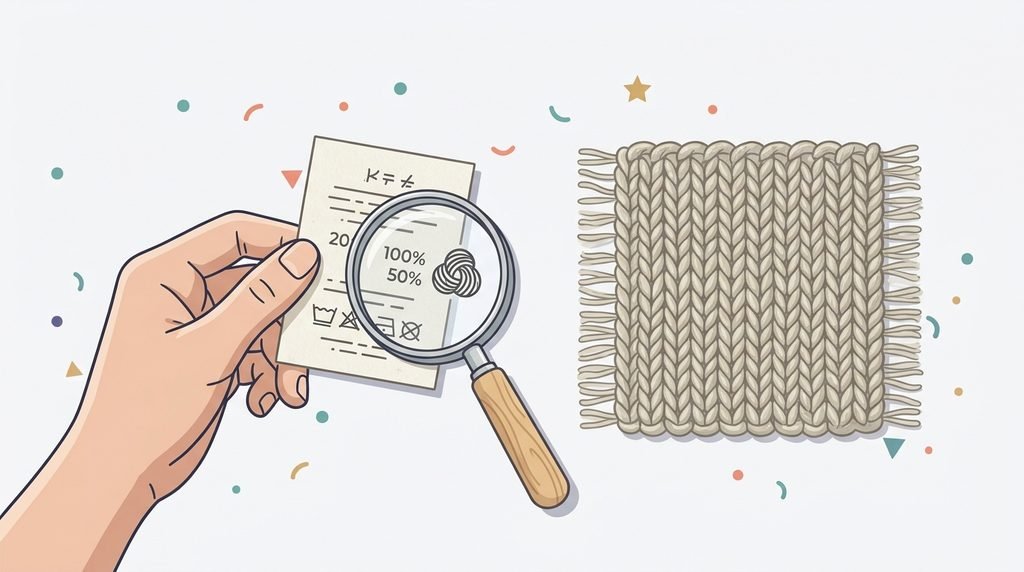
- Read the fiber content. Is it 100% wool, a wool blend or wool on a latex backing?
- Ask about treatments. Moth-proofing, stain protection and dyes affect safety and disposal.
- Check density and thickness. Both matter more for durability than the word “wool.”
- Match the room. Entryways need a tough, easy-to-clean mat. Bedrooms can take a softer one.
- Look for a return policy and a named seller. Avoid pages that give no maker or contact.
- Be careful with health claims. Allergy, baby and “anti-bacterial” statements should come with evidence.
- Clean it properly. Follow the maker’s care label, since wool can shrink or felt if treated roughly.
Spotting Vague Product-Explainer Pages
This is not the only term explained in this style. The same warning signs appear in our guides to bilieter and dolfier: no named maker, no citations, bylines that don’t match the topic and numbers with no source. If a page can’t tell you who makes the product or where its figures come from, treat it as a keyword page. For another example of checking a word before trusting its explainers, see our guide to tw.
Frequently Asked Questions
What are wollmatten? It is German for “wool mats,” mats made from wool fibers for floors, bedding, yoga or insulation.
Is wollmatten a brand? I found no brand or company by that name.
What does wollmatten mean in English? Wool mats. Wolle is wool and Matten is the plural of Matte, mat.
Are wollmatten good for floors? Wool is soft, absorbs moisture and resists burning, but wear depends on construction, and the vendor page says nylon can last longer in busy areas.
Are wool mats fireproof? No. Wool is self-extinguishing, but it can still ignite.
Are they biodegradable? Plain wool is. Blended, dyed, treated or latex-backed mats may not be.
Are wollmatten safe for babies? I found no testing or certification cited. Ask the seller for fiber and treatment details, and consult a pediatrician if the child has allergies.
How do I clean them? Follow the care label. Wool can shrink or felt if washed too hot or rubbed hard.
Where can I buy one? Search for wool mats, wool rugs or felt mats from a named maker with a return policy.
Bottom Line
Wollmatten is German for wool mats, a real product category with real strengths such as moisture absorption and burn resistance, and with limits that the glowing explainers skip. There is no brand by that name, and the articles about it cite almost nothing. Buy from a named seller, read the fiber and treatment details and ask for evidence behind any safety claim.