Why the “Tower of Babel” Origin Story Doesn’t Hold Up
One article explaining “Babeltee” traces its name back to the Tower of Babel — a nod, apparently, to a drink that blends “global tea traditions” the way the biblical tower once mixed languages. It’s a nice image. It’s also complete invention: there’s no company, no recipe, and no actual origin story behind it, and even several of the other articles describing Babeltee admit as much directly.
Here’s what’s actually verifiable, and — since the underlying idea isn’t a bad one — a genuinely useful way to make your own version of what people are describing anyway.
No Official Recipe, No Real Brand
This is unusually explicit for a manufactured term: multiple sources describing Babeltee state outright that it “is not an officially recognized beverage, brand, or traditional tea style,” that there’s “no strong evidence establishing Babeltee as a universally recognized tea brand,” and that any claims about a specific company or inventor “should be treated cautiously.” When the articles explaining a product concede this plainly, there’s no real ambiguity left — Babeltee isn’t a drink you can order by name at an actual, identifiable source. It’s a description applied after the fact to a general category of drink (customized, fruit-and-herb tea) that already existed under other names.
The Descriptions Don’t Agree With Each Other

Beyond the shared disclaimer, the specific framing varies quite a bit depending on the source:
- A general “customizable tea drink concept” with no fixed recipe
- A “modern fusion drink” tied symbolically to the Tower of Babel
- A travel and café-culture experience, encouraging exploring local tea shops
- A specific mix-and-match product system with named “tea bases” and “flavor boosters,” described almost like a retail kit
That range — from a loose online concept to something described like an actual packaged product — is a strong sign that different writers are filling in their own version of a name with no fixed referent, rather than describing one real thing from different angles.
Why This Fits the Same Pattern as Other Manufactured Trends
This is close cousin to a pattern already covered on this site with <a href=”https://www.tech2explore.com/smoothiepussit-explained/” target=”_blank” rel=”noopener”>Smoothiepussit</a> — a name attached to vague, appealing wellness-and-lifestyle language with no verifiable product, company, or price behind it. Both fit a recognizable content strategy: pick a trend-sounding, invented name, write confidently and appealingly about it, and let generic feel-good language (“vibrant,” “wholesome,” “a smart mix of flavors”) do the work that an actual product or brand would otherwise need to provide.
If You Want to Actually Make a Custom Tea Drink
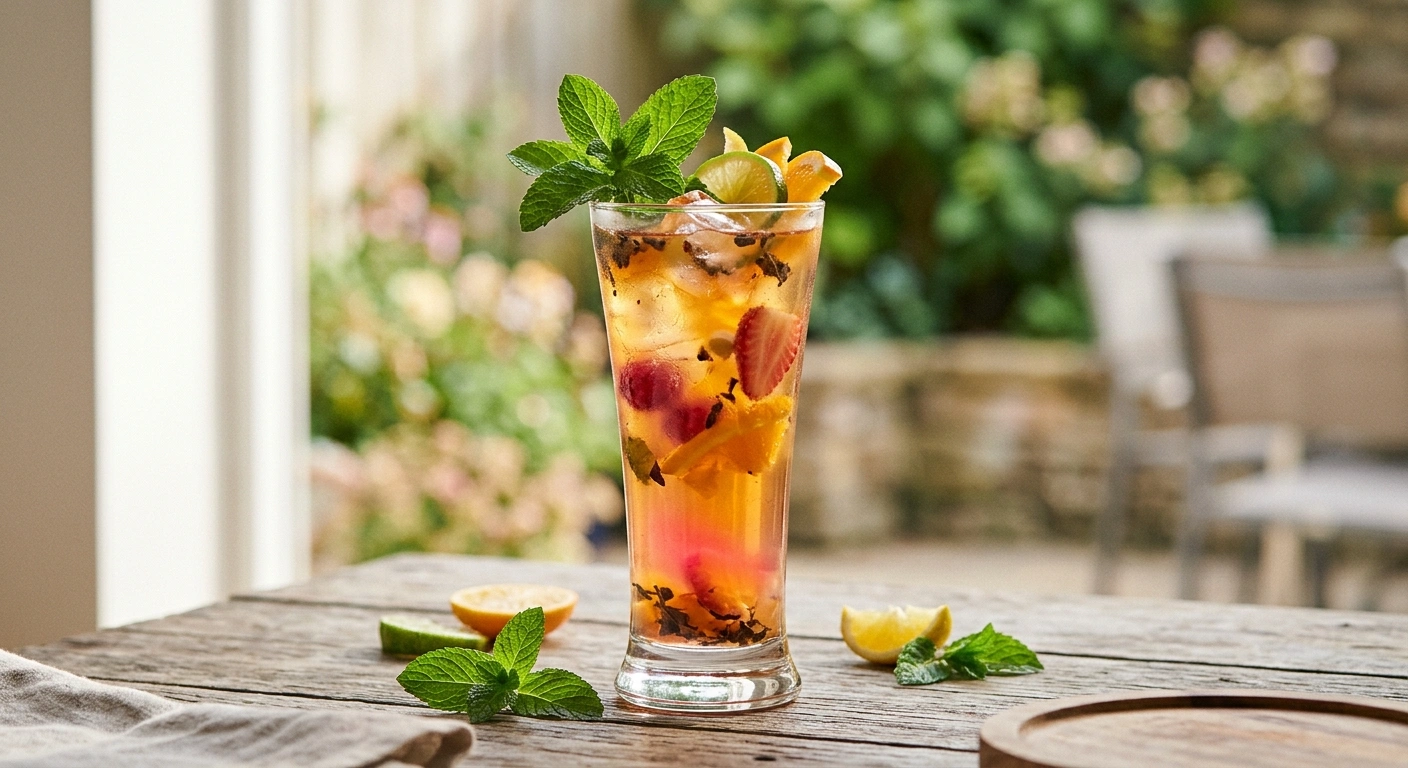
Here’s the useful part: the general idea several of these articles are describing — a brewed tea base customized with fresh fruit, herbs, and natural sweeteners — is a perfectly real, simple thing to make at home, whatever you decide to call it. A basic approach:
- Brew a base tea — green, black, white, or an herbal blend, depending on the flavor direction you want.
- Add fresh fruit while the tea is still warm — citrus, berries, or stone fruit all infuse well and release more flavor into warm liquid than cold.
- Layer in herbs or spices — mint, ginger, lavender, or cinnamon are common, low-effort additions that pair well with most tea bases.
- Sweeten naturally, if at all — honey, a small amount of maple syrup, or simply extra fruit rather than refined sugar.
- Chill and serve over ice, or drink it warm — the format is entirely up to you, which is really the whole appeal any of these articles are describing in the first place.
There’s no need to search for a specific “Babeltee” product or recipe to try this — any tea shop’s fruit-and-herb offerings, or your own kitchen experiments, will get you the same result these articles are circling around.
Frequently Asked Questions
Is Babeltee a real brand I can buy?
No verifiable evidence supports this — multiple sources describing it explicitly state there’s no established brand, company, or standardized recipe behind the name.
Does “Babeltee” really come from the Tower of Babel?
This etymology appears in only one source with no supporting evidence and isn’t corroborated elsewhere — treat it as a creative flourish rather than a documented origin.
Is Babeltee the same as bubble tea?
No — several sources note it’s used loosely to describe general customizable tea drinks, sometimes drawing comparisons to bubble tea, but it isn’t the same established beverage category.
Can I make a “Babeltee”-style drink at home?
Yes — brewing a base tea and customizing it with fresh fruit, herbs, and natural sweeteners is a simple, genuinely doable approach, regardless of whether you use this specific (unofficial) name for it.
Bottom Line
“Babeltee” isn’t a real brand, product, or established tea category — several of the sources describing it admit as much directly, even while dressing it up with an invented origin story. The underlying idea of a customizable, fruit-and-herb tea drink is genuinely simple to make yourself, though, so there’s no need to chase down a “real” version of a name that doesn’t have one.