Crackstube Explained: What the Name Refers to and How to Stay Safe
If you’ve searched Crackstube and gotten conflicting results — one page describing a publishing website, another warning you away from something else entirely — you’re not imagining things. “Crackstube” isn’t one single website. It’s a name currently shared by unrelated corners of the internet, and knowing which one you’re actually looking at matters for your safety and your legal exposure.
This guide sorts out what the name currently refers to, why the confusion exists, and — most importantly — how to protect yourself if a search for this term leads you toward cracked-software or unauthorized-streaming sites rather than a normal content website.
Crackstube Is Not One Website
Multiple sources confirm the same core point: “Crackstube” is used by more than one, unrelated online property. At least one legitimate site (publicly identifying itself at crackstubeus.com, with a related crackstube.com property covered in press materials) describes itself as an independent digital publication covering technology, business, lifestyle, and general informational topics — a normal article-based content site, not a download or streaming service.
Separately, the term is also associated in search results with software “cracking” (illegally modified or pirated software), unauthorized video streaming, and similar file-sharing or download-focused content, under other domains using a similar name.
These are not the same kind of site, and the risk profile between them is completely different.
Why the Name Causes So Much Confusion
“Crackstube” combines two words with very different internet associations: “crack,” commonly linked to pirated software or bypassed license keys, and “tube,” commonly associated with video-streaming sites. That combination naturally leads people to expect downloadable files or video content, even when the site they land on is a normal article-publishing platform with no such content.
On top of that, several unrelated sites and domain variations (.com, .us, and others) appear to be using similar names, which is exactly the kind of situation where checking the exact web address matters more than the name alone.
Always Verify the Exact Domain Before Trusting a “Crackstube” Site
This is the single most important safety habit here: similar names do not mean the same owner, the same content, or the same safety level. Before reading, signing up, or downloading anything from a site using this name:
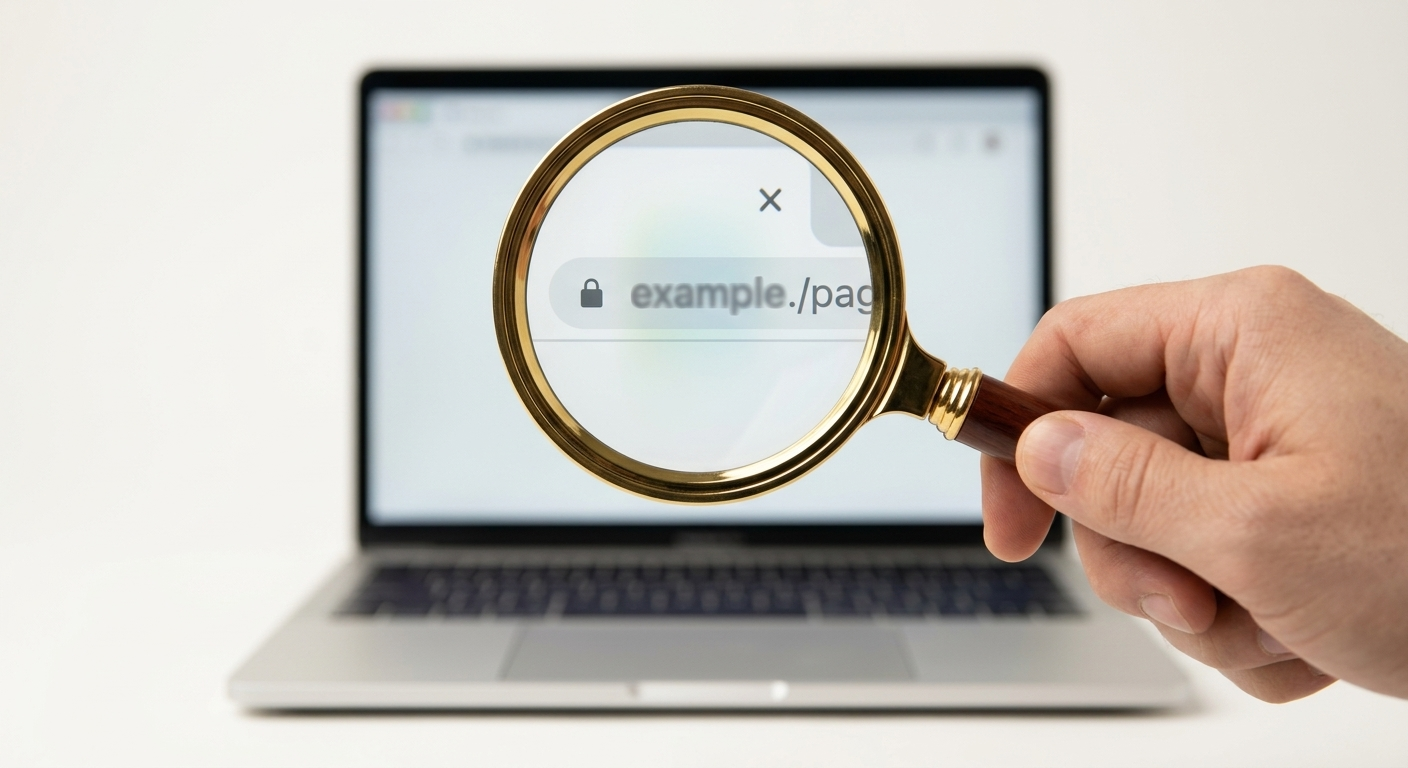
- Check the full URL in your browser’s address bar, not just the name shown in a search result or a link.
- Don’t assume two sites are connected just because they share a name, a similar logo, or a similar layout — ownership can be completely unrelated.
- Be especially cautious of any version of the name paired with prompts to download a file, install a “player,” or run an executable — legitimate content-publishing sites don’t typically require this just to read an article.
The Real Risk: Cracked Software and Unauthorized Streaming Sites
If your search for this term leads toward sites offering “cracked” software, free unlocked premium apps, or unauthorized movie/TV streaming, it’s worth understanding the real risks before going further — regardless of which specific site you’re looking at:
- Malware is extremely common on cracked-software and pirate-streaming sites. Files disguised as cracked software or “codecs” needed to stream video are one of the most frequently reported ways malware, including ransomware and credential-stealing trojans, spreads to everyday users, according to guidance from the <a href=”https://www.staysafeonline.org/” target=”_blank” rel=”noopener”>National Cybersecurity Alliance</a>.
- These sites frequently carry aggressive, deceptive ads designed to trick you into clicking fake “download” buttons that install unwanted software instead of the file you expected.
- Using pirated or cracked software carries real legal risk, separate from the malware issue — copyright infringement can carry civil and, in some cases, criminal consequences depending on your location and the scale of use.
- There’s no reliable way to verify what a cracked file actually contains before running it — antivirus detection on pirated software is inconsistent, since files are often deliberately modified to evade it.
Safer Alternatives
If what originally brought you here was looking for free or discounted software or streaming access, there are legitimate paths that avoid these risks entirely:
- Look for official free trial versions or free tiers directly from the software developer’s own website.
- Check for legitimate free and open-source alternatives to paid software — many popular categories (office suites, photo editing, video editing) have well-regarded free options.
- Use ad-supported or free tiers of legitimate streaming services, or check your existing subscriptions (many bundle services you may not be using).
- For students, ask about educational licensing discounts, which many major software companies offer directly and legally.
Frequently Asked Questions
Is Crackstube a virus or a scam?
“Crackstube” itself isn’t a virus — it’s a name used by different, unrelated websites. Some of what shows up in search results under this name (cracked-software or piracy-adjacent sites) does carry real malware and legal risk, which is why verifying the exact site and domain matters.
Is the Crackstube publishing website (crackstube.com / crackstubeus.com) safe to read?
Based on its own self-description, it operates as a standard article-publishing site. As with any content site, use normal safe-browsing habits and avoid entering unnecessary personal information.
Can I get in legal trouble for visiting a cracked-software site?
Simply visiting a site carries less legal risk than downloading or using pirated/cracked software itself, which can expose you to copyright-infringement consequences depending on your location and how the software is used.
How can I tell if a “Crackstube” link is safe before clicking it?
Check the full URL carefully, be suspicious of any prompt to download a file or “player” just to view content, and avoid any site that pressures you to disable your antivirus or browser warnings.
Bottom Line
“Crackstube” is a name shared by unrelated websites — at least one legitimate content-publishing site, and separately, associations with cracked-software and unauthorized-streaming content elsewhere online. The name alone tells you nothing about which one you’re dealing with; checking the exact domain, and steering clear of cracked-software or piracy-adjacent sites entirely, is the safest way to handle this search term.