TikTok Emojis Explained: What They Actually Mean in 2026
The skull emoji meant death for over a decade. Use it that way in a TikTok comment section now, and you’re the one who looks confused — 💀 has fully flipped to mean “I’m dead from laughing,” and using it sincerely to signal danger or sadness reads as outdated to most of TikTok’s active users. That’s the thing about emoji slang on this platform specifically: the symbol stays the same, but the meaning can move fast enough that last year’s fluent user is this year’s confused parent.
Here’s what’s actually current, why TikTok’s emoji system works a little differently than everywhere else, and how to avoid the most common mix-ups.
Two Different Kinds of “TikTok Emojis” — Don’t Mix Them Up
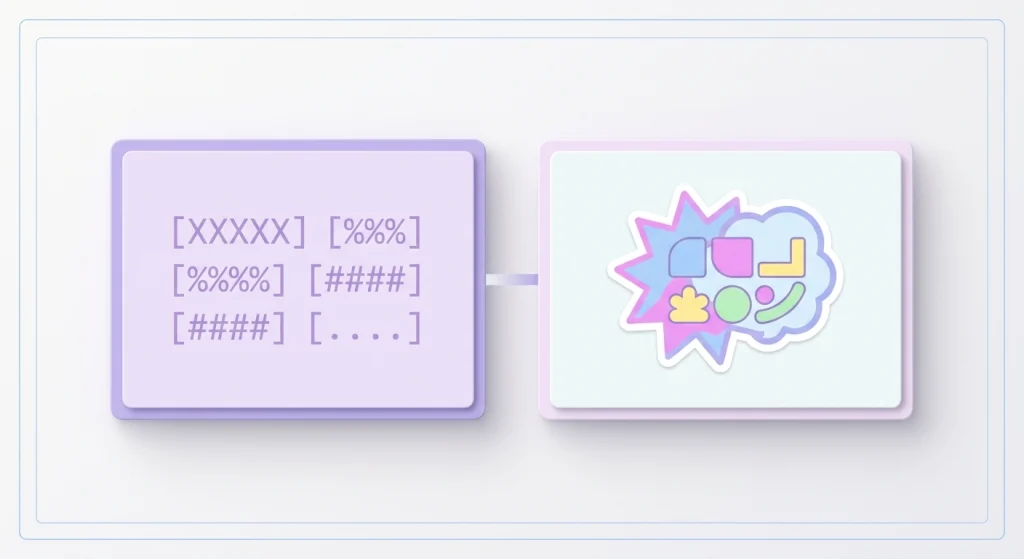
Before the slang itself, one technical distinction matters: TikTok actually runs two separate emoji systems, and confusing them is a common source of confusion for anyone posting the same caption across multiple platforms.
- Bracket codes, like
[cry]or[laugh], are typed with square brackets and render as custom, TikTok-only graphics — but only inside the TikTok app itself. Type[cry]on Instagram or X, and it just shows up as literal text. - Regular Unicode emojis — the ones on your phone’s standard keyboard, like 💀 or ✨ — work everywhere, but carry TikTok-specific slang meanings that don’t always translate to other platforms or older audiences.
If you’re writing a caption meant to post identically across TikTok, Instagram, and X, stick to Unicode emojis. Bracket codes will just show up as broken text everywhere except TikTok itself.
The Most Common TikTok Emoji Slang Right Now
| Emoji | Literal Meaning | Current TikTok Meaning |
|---|---|---|
| 💀 | Skull/death | “I’m dead” — the strongest positive reaction to something funny or shocking |
| 😭 | Crying | Also used for intense laughter, not just sadness — often paired with 💀 |
| 🐐 | Goat | “Greatest of all time” |
| 🚩 | Red flag | A warning sign, usually about a relationship or someone’s behavior |
| 🥹 | Holding back tears | Overwhelmed in a touched, emotional way — not distress |
| 🫡 | Saluting face | “Understood” or “noted,” often used sincerely or sarcastically depending on context |
| 🎭 | Theater masks | “Performing for the audience” — calling out content made specifically to get a reaction |
| 🪄 | Magic wand | A transformation, glow-up, or unexpected upgrade |
| 🫧 | Bubbles | A soft, dreamy, floaty aesthetic — often tied to a specific “core” or mood trend |
| 🥀 | Wilted rose | Comedic disappointment — a “this died” reaction to a failed plan or bad outcome |
| 🦋 | Butterfly | Personal transformation — tied to the “glow-up era” trend phrasing |
| 💯 | Hundred points | Full agreement or approval |
One usage worth noting for accuracy rather than endorsement: the 🍉 emoji is also widely used across TikTok as a symbol of Palestinian solidarity, leaning on the colors of the Palestinian flag — a meaning that’s become common enough to appear in most current slang trackers alongside its literal “watermelon” meaning.
Emoji Combos That Don’t Mean What You’d Expect
Some of the confusion isn’t about a single emoji — it’s about how they’re stacked:
- 💀 and 😭 together are largely redundant now, since both signal “laughing” — using them together doesn’t intensify the meaning so much as just look like uncertainty about which one to use.
- ✨ around a phrase (“✨ this ✨”) typically adds sarcastic emphasis, highlighting a word ironically rather than genuinely praising it.
- 😎 used ironically — ironic usage of a “cool” face has become more common than sincere usage, especially in self-deprecating captions.
Context and the surrounding caption matter more than any single emoji in isolation — the same symbol can flip meaning entirely depending on tone.
Common Mistakes People Make With TikTok Emoji Slang
- Using 💀 in a genuinely serious context (real danger, illness, death) creates a jarring tonal mismatch, since the dominant current meaning is comedic.
- Assuming an emoji still means what it meant a few years ago. Slang tracking sites report meaningful shifts roughly every 12–18 months, so a meaning that felt current in 2020 may read as dated now.
- Copy-pasting bracket-code captions to other platforms, which breaks the intended visual entirely outside of TikTok.
- Overloading a caption with combo emojis hoping for a stronger effect — a well-chosen single emoji usually reads clearer than a stacked row of them.
How to Keep Up as the Slang Keeps Changing
Emoji slang on TikTok moves faster than on most other platforms, partly because it’s often tied to specific viral sounds and trends rather than standing alone as text. A few habits help you stay current without needing to track every shift:
- Pay attention to how emojis are used in captions on trending videos, not just the emoji itself in isolation.
- When in doubt, read the comments — slang meanings are usually reinforced or explained organically in the replies.
- Keep in mind that entirely new emoji are added periodically through the official Unicode standard — the body responsible for approving new emoji characters, which you can track directly through the <a href=”https://home.unicode.org/emoji/emoji-tracker/” target=”_blank” rel=”noopener”>Unicode Consortium’s emoji tracker</a> — and new additions often pick up their own TikTok-specific slang meaning within weeks of release.
Frequently Asked Questions
Why does the skull emoji mean laughing instead of death on TikTok? It’s a generational shift in slang — 💀 has been reinterpreted to mean “I’m dead” as an exaggerated reaction to something funny, effectively replacing its literal meaning in most casual online contexts.
What’s the difference between TikTok bracket codes and regular emojis? Bracket codes like [cry] are TikTok-exclusive custom graphics that only render inside the app. Standard Unicode emojis from your keyboard work across every platform but may carry TikTok-specific slang meanings.
Is it safe to use TikTok emoji slang on other platforms like Instagram or LinkedIn? Unicode emojis will display correctly everywhere, but the slang meaning may not be understood by every audience — professional or older-skewing platforms are worth using more literal emoji choices on.
How often does TikTok emoji slang change? Meaningfully significant shifts tend to happen roughly every 12 to 18 months, though smaller, trend-specific meanings can emerge and fade within weeks.
Bottom Line
TikTok’s emoji culture runs on two separate systems — in-app-only bracket codes and standard Unicode emojis carrying fast-shifting slang — and staying current mostly comes down to watching how emojis are actually used in trending captions rather than relying on what a symbol used to mean. When in doubt, the comment section usually explains itself.