What Is a Prepaid Meter? How Pay-As-You-Go Electricity Works
Think of it like a prepaid phone plan, but for your electricity. Instead of using power all month and getting a bill afterward, you load credit onto your account first, and your usage gets deducted from that balance in real time. Run out of credit, and — just like a phone with no minutes left — your service pauses until you top up again.
Here’s exactly how that works in practice, the different types of prepaid meters you might encounter, and the real trade-offs worth knowing before you switch.
How a Prepaid Meter Actually Works
A prepaid meter reverses the traditional billing order. With a standard postpaid meter, you use electricity all month, a reading is taken, and you receive a bill afterward based on that usage. A prepaid meter flips this: you purchase credit in advance, and the meter continuously measures your electricity use and deducts from your balance as you go.
The basic cycle looks like this:
- You purchase credit — through a mobile app, an online portal, a physical vending location, or occasionally a token/card system, depending on your provider.
- The credit loads onto your meter, either automatically over a connected network or manually by entering a code.
- The meter tracks your usage in real time, continuously measuring the electricity you’re consuming.
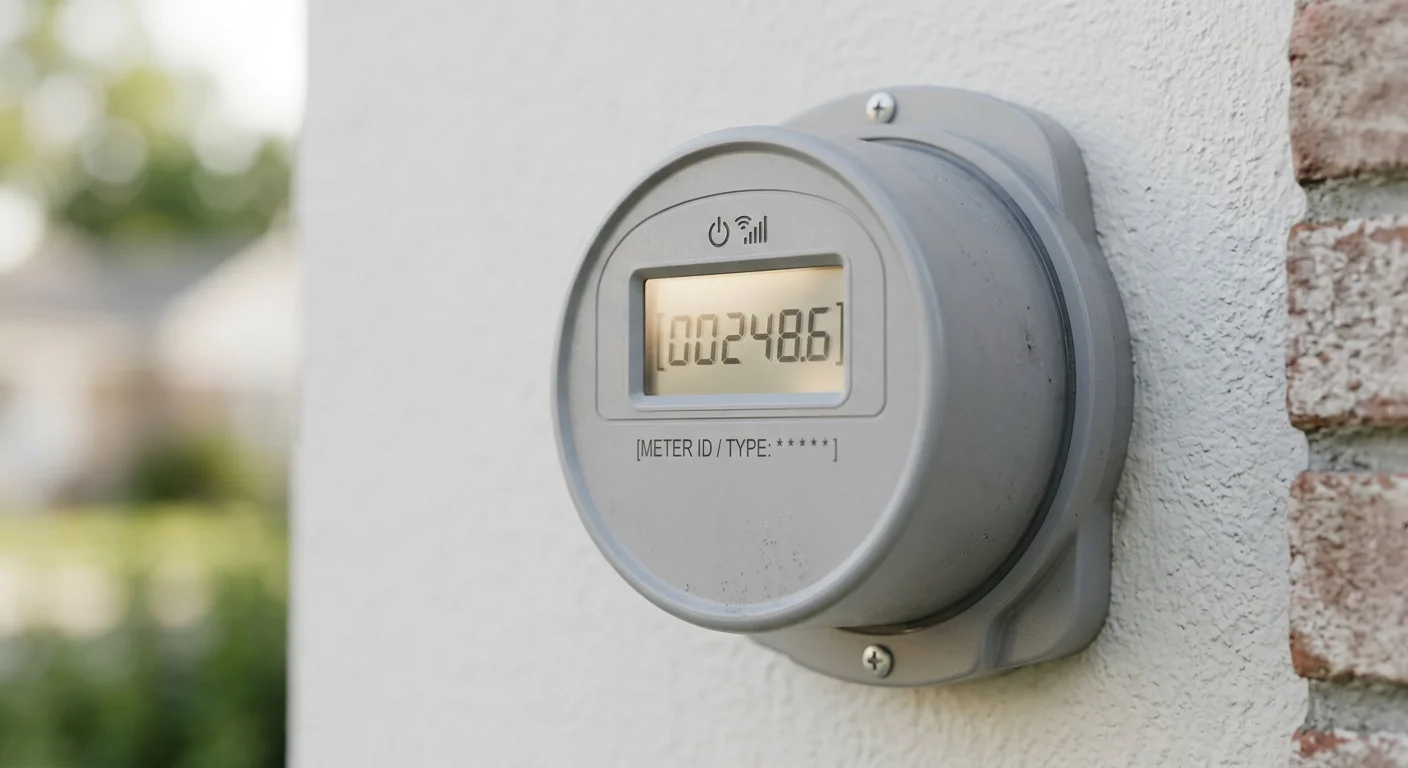
- Your balance decreases as you use power, visible on the meter’s display or through a connected app.
- You receive a low-balance alert — typically a notification, text, or an indicator light on the meter itself — prompting you to top up before your balance reaches zero.
- Power automatically shuts off if your balance hits zero, and restores automatically once you add more credit.
Types of Prepaid Meters
Prepaid meters generally fall into two broad categories:
- Token or card-based meters — an older but still common setup, especially in multi-unit buildings. You purchase a token or recharge card from an approved vendor, then manually enter a code into the meter’s keypad to add credit.
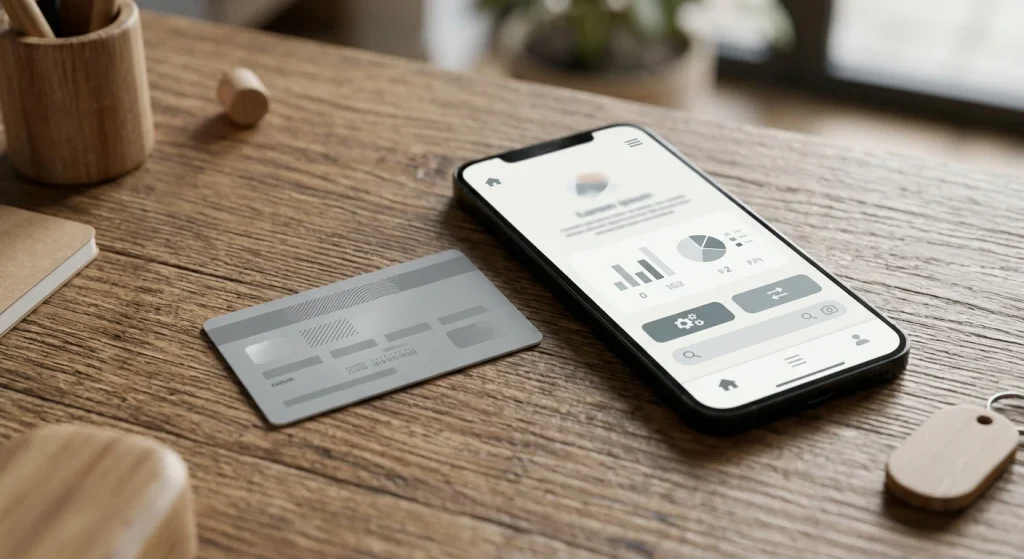
- Smart, app-connected meters — a newer setup, increasingly common with utility companies. These connect wirelessly, letting you recharge instantly through a mobile app or website, track usage in real time, and receive automated low-balance notifications without needing to physically visit a vendor.
The core function is the same either way — pay first, then use electricity until the balance runs out — but app-connected smart meters generally offer more convenience and more detailed, real-time usage data.
What Happens When Your Balance Runs Out
When your prepaid balance hits zero, your electricity supply is automatically disconnected — no grace period, no manual disconnection visit required, since the meter itself handles the cutoff. The moment you add more credit, most systems restore power automatically and quickly, often within minutes, without needing to contact your provider or wait for a technician. This is one of the more significant differences from postpaid billing, where a missed payment typically involves a longer notice period before service is actually interrupted.
Real Advantages of a Prepaid Meter
- No surprise bills. Since you’re always spending against a balance you control, there’s no month-end shock from unexpectedly high usage.
- Real-time usage awareness. Many prepaid systems show live or near-live consumption data, making it easier to notice which appliances or habits are driving your costs.
- No security deposit in many cases. Some providers waive the deposit typically required for postpaid accounts, since the prepaid structure itself reduces the provider’s non-payment risk.
- Easier budgeting. Paying in smaller, more frequent increments can be easier to manage for some households than one larger monthly bill.
Real Downsides Worth Knowing
- Power can shut off with little warning if you forget to top up, which is a meaningfully bigger inconvenience than a late postpaid bill, especially if it happens overnight or while you’re away.
- Frequent small top-ups can feel like more hassle than a single predictable monthly bill, depending on your provider’s recharge process.
- Rates aren’t always cheaper. Prepaid plans are sometimes marketed as more affordable, but per-kWh pricing can vary significantly by provider — compare actual rates rather than assuming prepaid is automatically the lower-cost option.
- Vulnerable households need a backup plan. For anyone relying on medical equipment or in a situation where a sudden power interruption is genuinely risky, a prepaid system’s automatic shutoff deserves extra planning and a reliable recharge routine.
Prepaid vs. Postpaid: Which Is Better for You?
| Factor | Prepaid Meter | Postpaid Meter |
|---|---|---|
| Payment timing | Before use | After use, via monthly bill |
| Deposit required | Often reduced or waived | Commonly required |
| Risk of surprise bills | Low | Higher |
| Service interruption risk | Automatic if balance hits zero | Typically only after missed payments and notice |
| Usage visibility | Often real-time | Typically monthly |
Prepaid tends to suit renters, students, and anyone who wants tighter day-to-day control over spending. Postpaid tends to suit households that prefer predictable monthly billing and want to avoid the risk of an unexpected shutoff.
Tips for Managing a Prepaid Meter Effectively
- Set up low-balance alerts through your provider’s app if available, rather than relying on remembering to check manually.
- Top up before a weekend or holiday, when customer support or vending locations may have limited hours if you do run out.
- Track your usage patterns over a few weeks to get a realistic sense of how often you’ll need to recharge, rather than guessing.
- Look into energy-efficiency basics to stretch your balance further — the <a href=”https://www.energy.gov/energysaver/energy-saver” target=”_blank” rel=”noopener”>U.S. Department of Energy’s Energy Saver program</a> publishes practical, low-cost tips for reducing household electricity use that apply whether you’re on a prepaid or postpaid plan.
- Keep a small emergency buffer in your account rather than topping up right at zero, so an unexpected delay in your recharge doesn’t result in an unplanned shutoff.
Frequently Asked Questions
Is a prepaid meter cheaper than a regular meter? Not automatically — per-kWh rates vary by provider regardless of billing structure. Compare actual rates rather than assuming prepaid is cheaper by default.
What happens if I run out of credit on a prepaid meter? Your power automatically shuts off once your balance reaches zero, and typically restores automatically and quickly once you add more credit.
Do prepaid meters require a security deposit? Often not, or a reduced one — this varies by provider, but avoiding a deposit is a common reason renters and new customers choose a prepaid plan.
Can I switch from a postpaid to a prepaid meter? In many areas, yes, though availability depends on your specific utility provider — contact them directly to ask about prepaid options and any installation requirements.
Bottom Line
A prepaid meter works on the same basic logic as a prepaid phone plan: pay first, then use electricity until your balance runs out, with power automatically restoring once you top up again. It offers real control and visibility over your spending, but the trade-off is a genuine risk of sudden shutoff if you forget to recharge — worth planning around with alerts and a small balance buffer rather than cutting it close every time.