Buddy Magazine Org The Legacy, Evolution, and Impact of The Original Texas Music Magazine
In the vast landscape of American music journalism, few publications hold the mythic, boots-on-the-ground status of Texas’s premier independent chronicler. Long before algorithmic feeds and digital playlists dictated how we discover sound, print media served as the lifeblood of regional counterculture. Amidst that gritty, ink-stained era, one name stood tall as an unyielding champion of the Lone Star State’s sonic rebellion: Buddy Magazine.
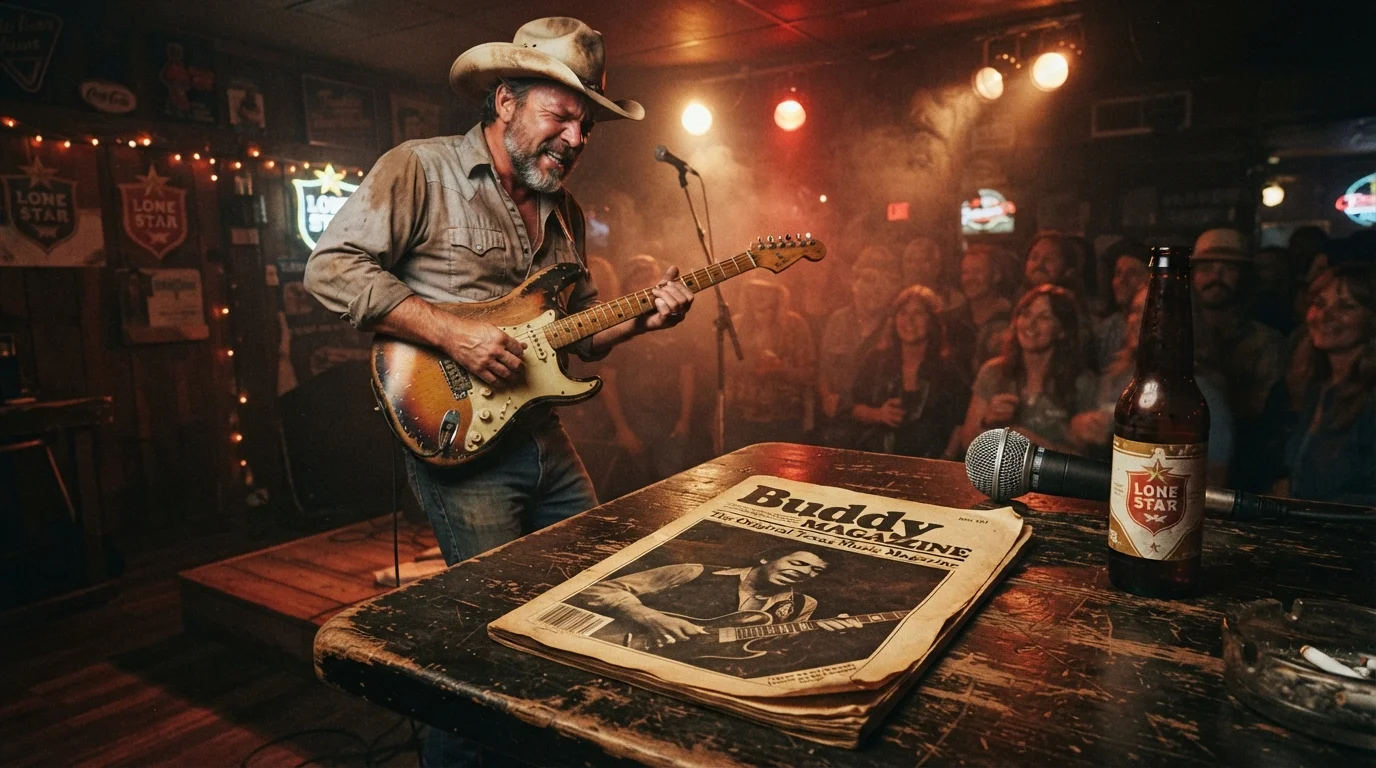
Founded in the sweltering summer of 1973, the publication carved out a legendary reputation by refusing to bow to corporate radio formulas or mainstream gatekeepers. Instead, it trained its spotlight squarely on the smoky dive bars, unheralded juke joints, and sprawling outdoor festivals where real musical history was being forged. Its pages became a sanctuary for artists who defied categorization, establishing an unfiltered voice that resonated far beyond the borders of Dallas and Austin.
Today, that enduring spirit lives on through buddymagazine.org, bridging the gap between historic counterculture roots and the modern digital landscape. By archiving decades of rare interviews and iconic photography while continuing to spotlight contemporary talent, the platform remains an indispensable resource. Whether you are a dedicated music historian or a casual fan eager to explore regional roots, understanding this publication’s journey reveals how independent journalism helped shape the very soul of Texas music. You can explore deeper regional cultural archives through resources like the Handbook of Texas Online to see how vital these local movements were to American art.
The Roots of Rebellion: How Stoney Burns Launched Buddy in 1973
The story of Buddy Magazine begins with the restless, anti-establishment energy of the early 1970s counterculture movement. Brent “Stoney” Burns, a towering figure in underground Texas media who had previously helped helm radical publications like Dallas Notes, recognized a glaring void in the cultural landscape. Mainstream newspapers and national glossies routinely ignored the raw, sweat-soaked live music circuits thriving right in their own backyard, leaving progressive country, blues, and garage rock largely undocumented.
Teaming up with co-founder Rob Edleson and taking thematic inspiration from rock-and-roll pioneer Buddy Holly, Burns set out to build an independent platform driven entirely by passion and irreverence. Operating on a shoestring budget and fueled by cheap beer and sheer stubbornness, the founders cultivated an informal, highly opinionated tone that instantly connected with local musicians and fans. They didn’t just report on the scene; they lived it, sitting elbow-to-elbow with artists in green rooms and capturing the unpolished reality of the Texas underground.
This fearless, do-it-yourself ethos attracted a tight-knit collective of writers, photographers, and troublemakers affectionately known as the “Staph.” By refusing to sanitize their coverage or pull punches, they created a publication that felt less like a stiff magazine and more like a backstage pass to the most exciting musical revolution in the South.
Catching Lightning: Breaking Icons and Shaping the Texas Music Sound
What truly cemented Buddy Magazine’s legendary status wasn’t just its anti-establishment attitude, but its uncanny knack for identifying generational talent before the rest of the world caught on. Operating out of the epicenter of the Texas music boom, the publication’s writers and photographers found themselves embedded in an unprecedented cultural renaissance. They didn’t just review records; they provided the early oxygen that allowed raw, regional acts to ignite into national icons.
Decades before filling stadiums worldwide, guitar prodigy Stevie Ray Vaughan was a regular fixture in the magazine’s orbit. Buddy was among the first print outlets to seriously document Vaughan’s fiery blues style, offering crucial early exposure when he was still cutting his teeth in gritty Dallas and Austin clubs. Similarly, the publication fiercely championed progressive outlaws and songwriters like Willie Nelson, Waylon Jennings, and Townes Van Zant at a time when Nashville executives were still trying to force them into rigid, commercial boxes.
Beyond individual artists, the magazine played an instrumental role in documenting the rise of heavy metal giants like Pantera during their early, glam-infused club days in Arlington and Dallas. By giving equal weight to bluesmen, punk rockers, and guitar gods alike, the publication forged a uniquely inclusive identity for Texas music.
This commitment to artist recognition culminated in the legacy of the “Buddy Texas Tornados,” a signature annual musician showcase and awards tradition. For local players, earning a nod in Buddy wasn’t just a casual mention—it was a bona fide badge of honor that signaled you had earned the respect of the state’s most discerning critics and musicians. This fearless curation transformed the magazine’s back catalog into a priceless historical ledger of American rock and blues evolution.
Bridging Generations: The Evolution to buddymagazine.org and Digital Preservation
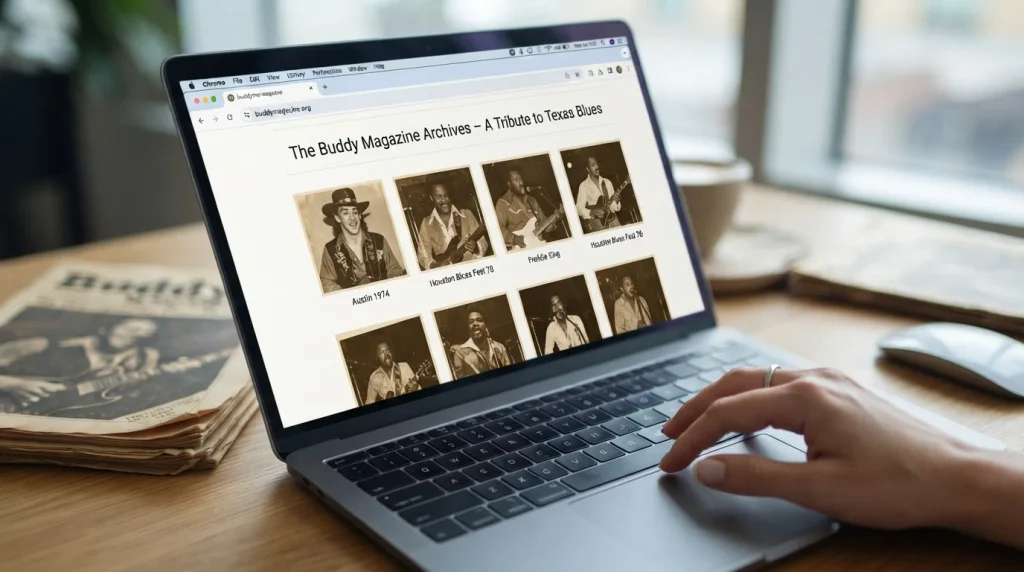
As the music industry lurched away from physical print stands toward the unpredictable tides of the internet, independent publications faced a stark choice: adapt or fade into obscurity. For Buddy Magazine, survival required a delicate balancing act. The publication needed to honor its gritty, ink-stained heritage while carving out a permanent home in the digital ecosystem at buddymagazine.org. This transition was guided for years by dedicated stewards like veteran publisher and photojournalist Ron McKeown, whose lens captured decades of backstage history. Rather than corporate restructuring, the digital pivot was driven by a sheer, stubborn commitment to keeping grassroots Texas music journalism alive.
The migration to a digital portal allowed the magazine to expand its editorial footprint far beyond the physical distribution limits of North Texas clubs and music shops. Today, the website functions simultaneously as a living magazine and a digital time capsule. Modern coverage pillars seamlessly blend contemporary reviews of Texas singer-songwriters, regional festival roundups, and blues revivals with deep-dive historical retrospectives. Fans anywhere in the world can instantly access artist profiles and commentary that maintain the same unfiltered, passionate voice that Stoney Burns established back in 1973.
Crucially, this digital survival has never meant abandoning physical roots entirely. The team periodically releases milestone collector editions and special print features—such as memorial issues honoring pillars of the community—proving that tangible music journalism still holds immense value. By marrying a robust online archive with ongoing coverage of the Lone Star State’s modern sound, buddymagazine.org ensures that the next generation of music fans can easily explore the rich tapestry of underground rock and blues history.
What Readers and Music Historians Find on the Platform Today
Navigating buddymagazine.org today reveals a dynamic digital ecosystem that honors its print-era heritage while catering to modern music enthusiasts. The platform serves as a vital bridge, connecting contemporary Texas singer-songwriters, indie album releases, and regional festival roundups with the deep-rooted blues and rock traditions that built the brand. Rather than acting as a static digital graveyard of old issues, the site pulses with active features, ongoing single reviews, and thought-provoking cultural commentary.
For music historians, collectors, and die-hard fans, the true crown jewel of the platform is its deep archival footprint. The digital destination preserves decades of rare interviews, classic live photography, and foundational reporting on legends who shaped the American musical landscape. Whether researchers are investigating the early Dallas-Fort Worth blues circuit, tracking the explosion of 1970s outlaw country, or looking back at historical venue milestones, the site offers unmatched primary-source access.
This mix of real-time regional music journalism and historical preservation ensures that buddymagazine.org remains an active participant in Texas culture. It provides a dedicated space where emerging local artists get the same serious critical eye once reserved for stadium headliners, keeping the original counterculture heartbeat alive for a global audience.
Frequently Asked Questions About Buddy Magazine
What is Buddy Magazine and when was it founded?
Buddy Magazine is an independent music publication established in July 1973 in Dallas, Texas, widely celebrated as “The Original Texas Music Magazine” for its deep focus on regional rock, blues, and Americana.
Who founded Buddy Magazine?
The magazine was founded by counterculture publisher Brent Lasalle Stein—better known as Stoney Burns—alongside co-founder Rob Edleson, taking inspiration from rock icon Buddy Holly.
What genres of music does Buddy Magazine cover?
The publication primarily focuses on Texas-rooted music scenes, including Texas blues, progressive and outlaw country, indie singer-songwriters, and regional rock history.
Is Buddy Magazine still active today?
Yes, the publication remains deeply active through its official digital portal at buddymagazine.org and periodic special-edition print runs, celebrating over 50 years of continuous independent music journalism.
Conclusion: The Enduring Pulse of Lone Star Music Journalism
From its rebellious anti-establishment beginnings in the 1970s to its modern digital home at buddymagazine.org, Buddy Magazine remains an irreplaceable pillar of regional music journalism. By steadfastly championing local talent, documenting counterculture history, and preserving the raw stories of Texas blues and rock legends, it secures a lasting legacy in the American music landscape.