Is Bumetro a Real App? What’s Actually Verifiable
One of the few honest sources covering “Bumetro” says it plainly: after researching the name directly, the reviewer could not verify an official website, an app store listing, a named company behind it, a list of supported cities, a pricing page, or any public release history — despite several other articles describing it in confident, specific detail as a smart urban transportation app. That gap between confident description and zero verifiable evidence is the whole story here.
Here’s what’s being claimed, what’s actually missing, and why that matters more for something you might be asked to download than it would for a simple word or trend.
What Bumetro Is Supposedly
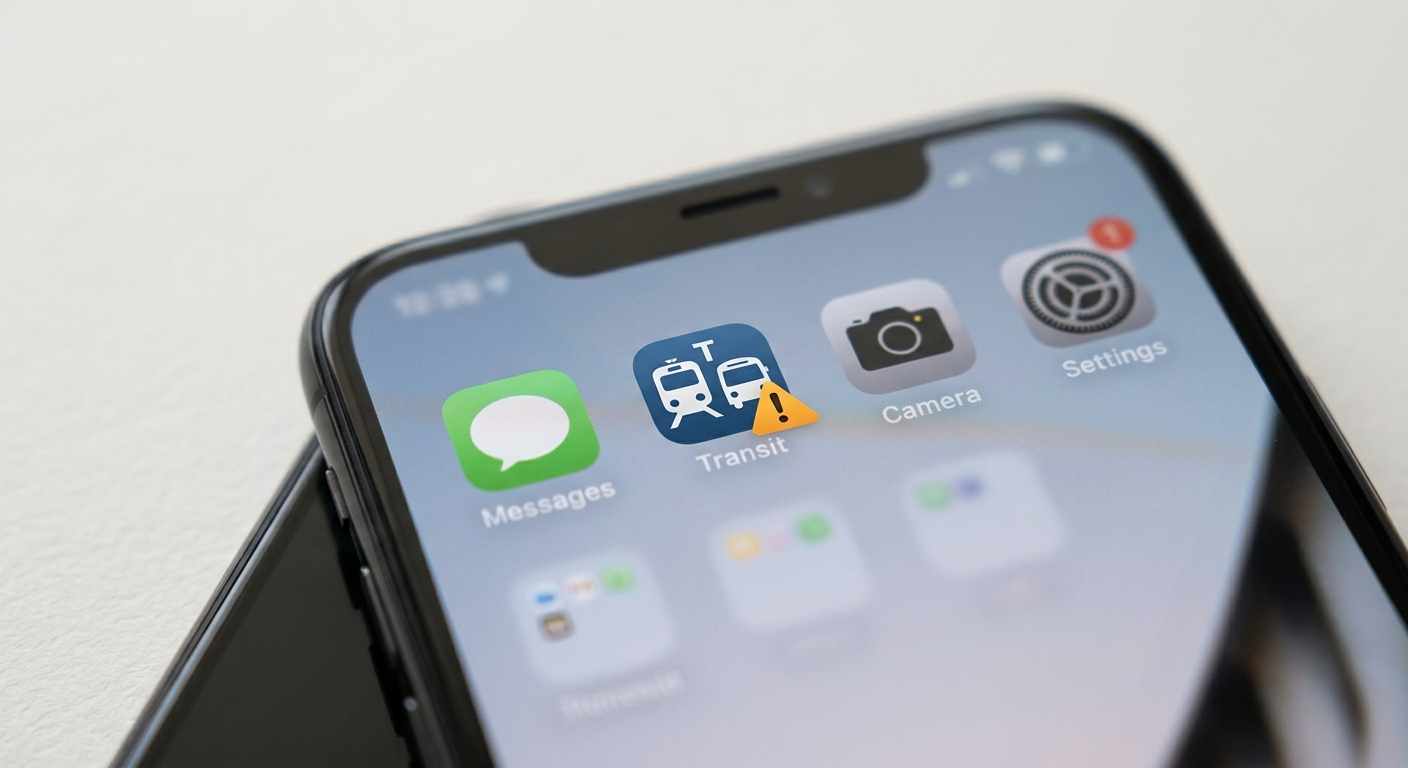
Across several recently published articles, Bumetro is described as a “Mobility as a Service” platform combining buses, bikes, trains, and ride-sharing into a single app — letting users compare routes, fares, and travel times across multiple transportation modes without switching between separate apps. The concept itself is real and well-established in the transportation industry generally; several legitimate MaaS apps exist in various cities worldwide. The problem isn’t the concept — it’s that no source can point to an actual, verifiable product operating under this specific name.
What’s Actually Missing
This is the important part. Despite detailed feature descriptions across multiple articles, none of them link to:
- An official company or developer website
- A listing on the Apple App Store or Google Play
- A specific list of cities or regions where the service supposedly operates
- Any pricing information
- A named founder, company, or public release date
A real transportation app — especially one integrating live transit data, which requires formal partnerships with transit agencies — would necessarily leave a verifiable trail: app store listings, transit agency announcements, press coverage of partnerships. The complete absence of any of that, paired with confidently detailed feature descriptions, is a strong sign this is speculative or fabricated content rather than a genuine product review.
Why This Matters More Than a Simple Definition
Unlike an ambiguous slang term or a made-up word, “Bumetro” is being described as something you’d install and grant permissions to — location access, at minimum, and potentially payment information for booking rides. If someone searching for “Bumetro” based on these articles finds an app claiming to be it in an app store, or a website offering a download, that’s a meaningfully higher-risk situation than simply being confused about a word’s meaning. Fake or look-alike transportation apps are a known vector for location-data harvesting and payment fraud, precisely because people trust apps that claim to integrate with real public transit systems.
The Same Pattern as Other Manufactured Terms
This fits the same pattern behind several other unverified or invented terms already covered on this site, including <a href=”https://www.tech2explore.com/nerwey-meaning-explained/” target=”_blank” rel=”noopener”>nerwey</a>, <a href=”https://www.tech2explore.com/keibann-meaning-explained/” target=”_blank” rel=”noopener”>keibann</a>, <a href=”https://www.tech2explore.com/supermaked-meaning-explained/” target=”_blank” rel=”noopener”>supermaked</a>, and <a href=”https://www.tech2explore.com/pantagonar-meaning-explained/” target=”_blank” rel=”noopener”>pantagonar</a> — content built around a name with no verifiable subject behind it, published to capture rising search interest. Bumetro is a more consequential version of that same pattern, since acting on it (downloading something, entering payment details) carries real risk rather than just confusion.
How to Verify Before Downloading Any “New” Transportation App
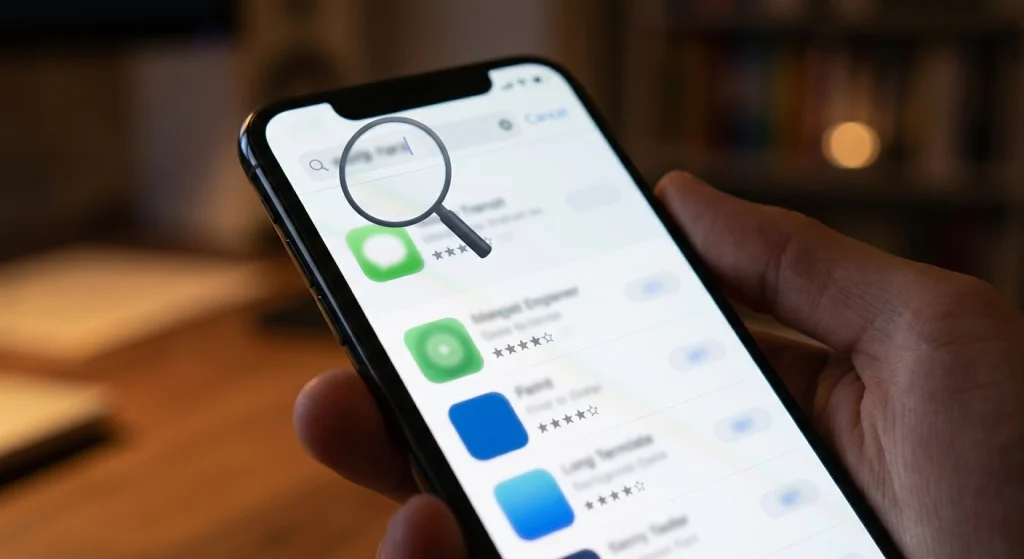
- Search the exact name directly in the Apple App Store or Google Play rather than clicking a link from an article — if nothing official comes up, don’t trust a third-party download link claiming to be it.
- Check the listed developer name, not just the app icon or name, and look for a real company with a track record.
- Look for actual transit agency partnership announcements if the app claims live integration with specific city transit systems — legitimate MaaS apps typically get local news coverage when they launch in a new city.
- Read recent reviews critically, watching for generic, repetitive, or suspiciously enthusiastic reviews posted in a short time window, which can indicate fake review activity. The <a href=”https://consumer.ftc.gov/consumer-alerts” target=”_blank” rel=”noopener”>Federal Trade Commission</a> publishes general guidance on spotting fake apps and fake reviews that applies well beyond this one case.
- Never grant location or payment permissions to an app you can’t verify through an official app store listing tied to a real, identifiable company.
Frequently Asked Questions
Is Bumetro a real transportation app I can download?
There’s no verifiable evidence of an official app, company, or app store listing behind the name — treat any download claiming to be “Bumetro” with significant caution until you can confirm it through an official app store search.
Why do so many articles describe Bumetro in such specific detail if it doesn’t exist?
This fits a pattern where speculative or AI-generated content describes a plausible-sounding product in detail to capture search interest in an unfamiliar or trending name, without the underlying product actually existing.
Is the Mobility as a Service concept described for Bumetro real?
Yes — Mobility as a Service is a real, established category of transportation app used in various cities. The concept is legitimate; what’s unverified is that a specific product named “Bumetro” actually implements it.
What should I do if I find an app called Bumetro in an app store?
Check the developer name, read recent reviews carefully, and search for independent news coverage of the company before installing it or granting any permissions.
Bottom Line
“Bumetro” is currently a name with detailed, confident descriptions and no verifiable product behind any of them — no official site, no app store listing, no named company. Unlike a simple made-up word, this one carries real risk if it leads you toward an unverified download, so treat any app or site claiming to be Bumetro with the same caution you’d apply to any transportation app requesting your location and payment information.