Merfez Meaning: 5 Conflicting Definitions and What Is Verified
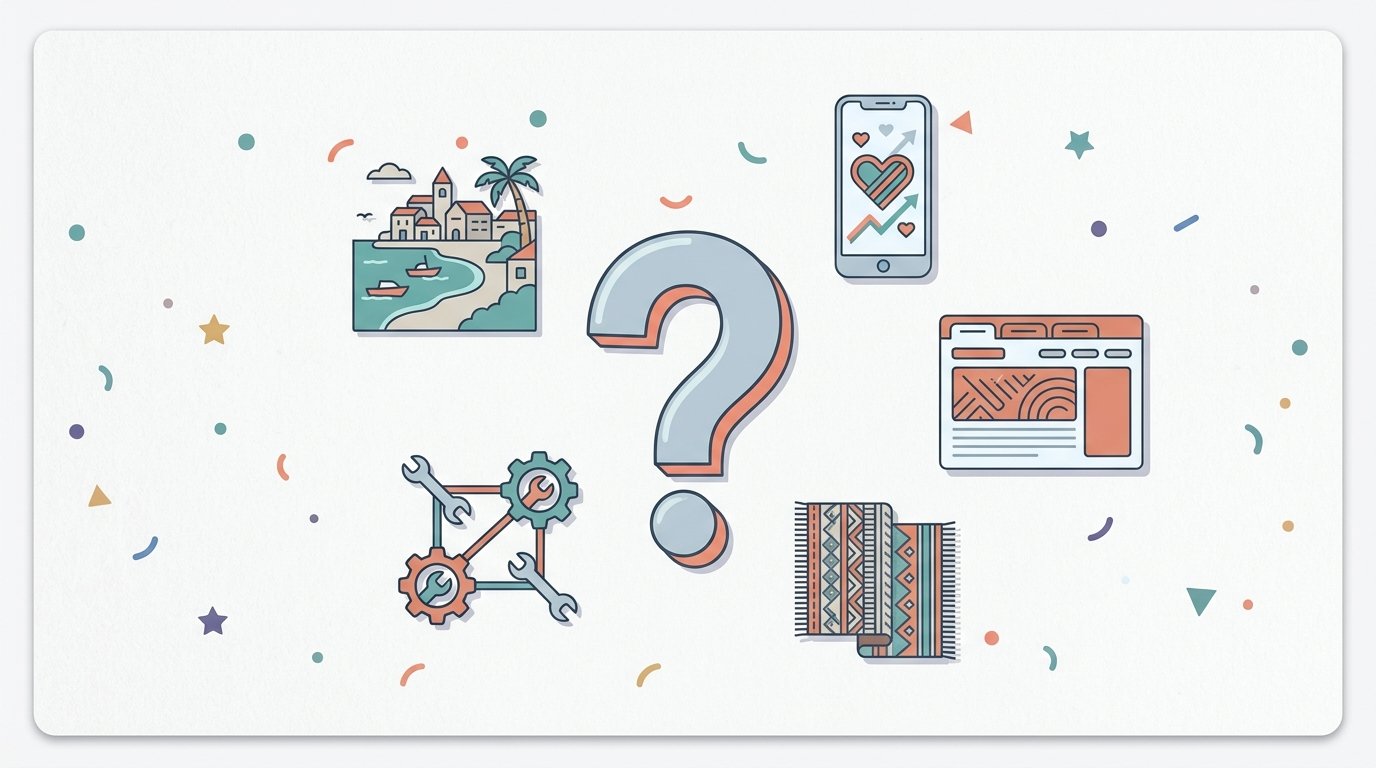
Merfez is a Turkish coastal town, a TikTok trend, a content website, a textile brand and a work-tools framework, depending on which article you read, and the same word is also sold as a calm, minimalist way of living. Those meanings don’t fit together, and none of the pages that give them name a founder, a product page or a source you can check. This guide lays out what each page claims, what the one clear linguistic lead is and how to test any trending term like this before you repeat it.
A note on method: I read four pages that define the word in full (newswiki, News Haiku, Eopis and Daily Magazine NY), checked a Turkish place-name reference for the similar word “merkez” and searched for a town, a company and a dictionary entry. I found no dictionary entry, no company and no town with this exact name. Where I describe a claim, I say whose claim it is.
The Short Answer
It has no entry in any dictionary I could find and no verified creator, company or place. The pages explaining it contradict each other, and the more careful ones admit it is an “unfixed internet term” with no accepted definition. The only real lead is linguistic: several pages suggest a link to the Turkish word merkez, meaning “center” or “hub,” but the pages that mention it say there is no evidence for the connection. Treat the word as an unverified keyword, not an established concept.
5 Conflicting Definitions of Merfez
| Page | What it says merfez is | What it doesn’t provide |
|---|---|---|
| newswiki (April 2026) | Five meanings: a coastal Turkish town, a social-media creative trend, a free content website, a handcrafted textile brand and a tool-connecting framework | Any quote, study or outside source; the website’s address; a working link for the town |
| Eopis (April 2026) | An “umbrella term” for a productivity framework, a creative aesthetic, a textile identity, a publishing concept and a travel term | Origin or first use; admits the travel meaning is poorly sourced |
| News Haiku (July 2026) | A lifestyle idea of “intentional simplicity, warmth, balance and focus” | Named sources; says there is no reliable evidence for an official Turkish origin |
| Daily Magazine NY (September 2026) | A loose idea about cutting clutter and keeping what is meaningful | Any named expert or study; evidence that it is “becoming popular” |
Read the right-hand column. None of the four names who coined the word, when or where.
The One Linguistic Lead: Merkez
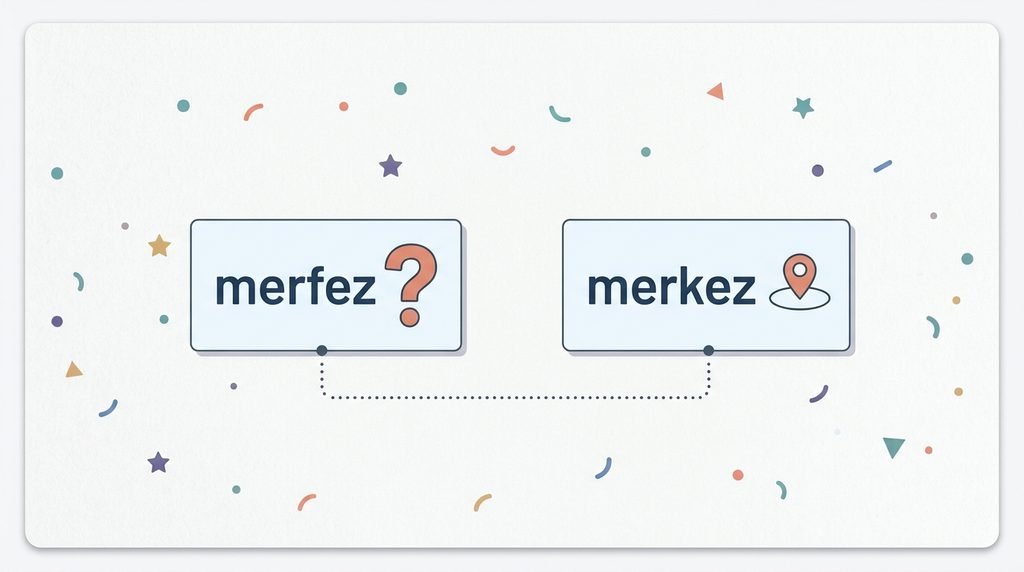
Merkez is a real Turkish word. A reference page on Turkish place names says it means “center” or “hub,” and that in Turkey’s provinces the central district usually shares the province’s name. Mersin, for example, is the central district of Mersin Province. News Haiku and Daily Magazine NY both mention it, and both also say the connection to the keyword is an interpretation with no reliable evidence behind it.
News Haiku and Daily Magazine NY also mention menfez, a Turkish word they translate as a vent, opening or culvert, as another possible mix-up. I didn’t find a dictionary entry I could open to confirm that meaning, though a Turkish hardware retailer lists “menfezler” as a building-materials category, which fits the claim. Neither word is spelled “merfez,” so a typo or a blend is possible, but that is a guess, not a finding.
Is Merfez a Town in Turkey?
One page, newswiki, says it is a coastal town about 70 km from Adana Şakirpaşa Airport. I could not confirm a town, village or district by this name. A search for the town returned pages about Mersin, and a US government place-name database entry that came up was for a different place, Mergüze, in northern Turkey. The page’s own link for the town goes to an internal page on its own site. Eopis says the travel meaning is poorly sourced. Until someone shows an official place-name record, don’t plan a trip around it.
Red Flags in the Merfez Articles
Reading them side by side, the same problems repeat:
- No named sources. Most pages cite nothing. Eopis names the WHO, OECD, Hootsuite and a magazine, but gives no links.
- Self-contradiction. News Haiku calls it “not a formally defined movement” yet presents a four-pillar framework and a weekly reset plan. Daily Magazine NY says it is not an established design movement or a productivity method, then describes a “Merfez-inspired” room style and a workflow.
- Definitions given as settled, then denied. Several pages open with a confident definition and later say the term has no accepted meaning.
- Vague bylines. “Admin,” “David” and “Editorial Team.”
- Unsupported popularity claims. Phrases like “one of the freshest trends” and “becoming popular online” come with no data.
- Missing links. The “free content website” is never named with an address, so it can’t be checked.
None of this proves nobody has ever used the word. It means the pages explaining it give you no way to check what they say.
What Is Verified and What Is Not
| Claim | Status |
|---|---|
| Turkish merkez means “center” or “hub” | Confirmed by a place-name reference |
| It is derived from merkez | Unverified; pages that mention it call it an interpretation |
| It is a Turkish word | No dictionary entry found |
| A town in southern Turkey | Not found in any place-name record I opened |
| A textile brand | No brand, shop or maker found |
| A content website | No address given by the source |
| A lifestyle philosophy | Described by pages with no named sources |
| Any creator, founder or date of origin | Not named anywhere |
How to Check a Trending Term Like This
You can run this check in about ten minutes:
- Search a dictionary. If Merriam-Webster and Wiktionary have no entry, a blog’s definition is not a fact. We take the same approach in our guides to bilieter, dolfier and sagerne.
- Check the language claim. If a page says a word is Turkish, look for it in a Turkish dictionary such as the TDK’s online dictionary, not in another blog.
- Look for an official source. A real brand has a shop, an address and a maker. A real town appears in an official place-name database.
- Compare the categories. A town, a trend, a textile brand and a software framework are not four facets of one thing.
- Test named sources. If a page cites the WHO or OECD, see whether the claim is in their publications.
- Check the dates. Pages published months apart that repeat each other’s phrasing are probably copies.
- Report scams. If someone sells a product, course or “membership” under this name, you can report it at ReportFraud.ftc.gov in the US.
Should You Buy Anything With This Name?
Not until the seller shows a named business, a physical or registered address, prices and a return policy. If you like the idea of a simple, warm home, you don’t need the word: look for the real design styles it resembles, such as minimalism, which the articles themselves compare it with. For real natural-material home goods, our guide to wollmatten shows how to check a product’s fiber and finish before you pay.
Frequently Asked Questions
What does merfez mean? There is no agreed meaning. Pages describe it as a town, a trend, a website, a textile brand and a lifestyle philosophy, and none provide evidence.
Is merfez a real word? I found no dictionary entry for it.
Is merfez a Turkish word? Several pages say it may relate to merkez (“center”), but the ones that mention it say there is no evidence. I found no Turkish dictionary entry.
Is merfez a town in Turkey? One page says so, but I couldn’t find it in any place-name record.
Is it a brand or a website? Pages claim both, but none gives a verifiable brand, shop or web address.
Who created merfez? No source I read names a creator or a date.
Is it a lifestyle trend? Some articles describe it as one, but they cite no data, and the more careful ones say it has no accepted definition.
Could it be a misspelling? Possibly. It resembles the Turkish merkez and menfez, but that is my inference.
Is it safe to buy something called merfez? If a product exists, I couldn’t find it to check. Don’t enter payment details on pages that can’t tell you who runs them.
Bottom Line
merfez has no dictionary entry, no verified town, brand or website, and no named creator, and the pages that explain it contradict each other. The only concrete lead is the Turkish word merkez, and the pages that raise it say there is no evidence. Before you repeat, publish or pay for anything under this name, look for a named business, an official record and a source a stranger could check.