Lucipara Meaning: The Banda Sea Atoll, the Moth and 6 Facts Pages Get Wrong
Lucipara names a remote atoll in Indonesia’s Banda Sea and, separately, a small brown moth found across Europe and Asia, and I found nothing that connects the two beyond the spelling. Search results make it messier, because several blog posts blend the islands, the moth, a Latin “bringer of light” origin and a “timeless tradition” into one story with no sources. This guide shows what scientific and conservation sources actually say about each meaning, which claims could not be verified and what to check before you plan a trip or cite the word.
A note on method: I read the English Wikipedia pages for the islands and the small angle shades moth, a Coral Triangle Center report on the islands, the abstract page of a 2023 reef-fish study, two moth database pages (BioImages and the Azorean Biodiversity Portal) and two blog articles (Analyze Magazine and Cloud Nexus Lab). A third blog (AIK Designs) blocked my tools. Several other pages in the search results (VySatc, FlixHQ, Mediahab, Seekdehub and others) I did not open. I have not visited the islands, and I am not a biologist or a Latin scholar.
The Short Answer
The word most reliably means one of two things. It is the island group, an atoll of three main islands in the Banda Sea in Indonesia’s Maluku region, and it is the species name in Euplexia lucipara, the small angle shades moth, which Carl Linnaeus described in 1758. A third reading, “light-bearing” from Latin, is repeated by blogs, but I found no source that documents it. For a travel or conservation search, you want the islands. For a nature or insect search, you want the moth.
6 Facts About Lucipara
1. The Islands Are a Remote Atoll in the Banda Sea
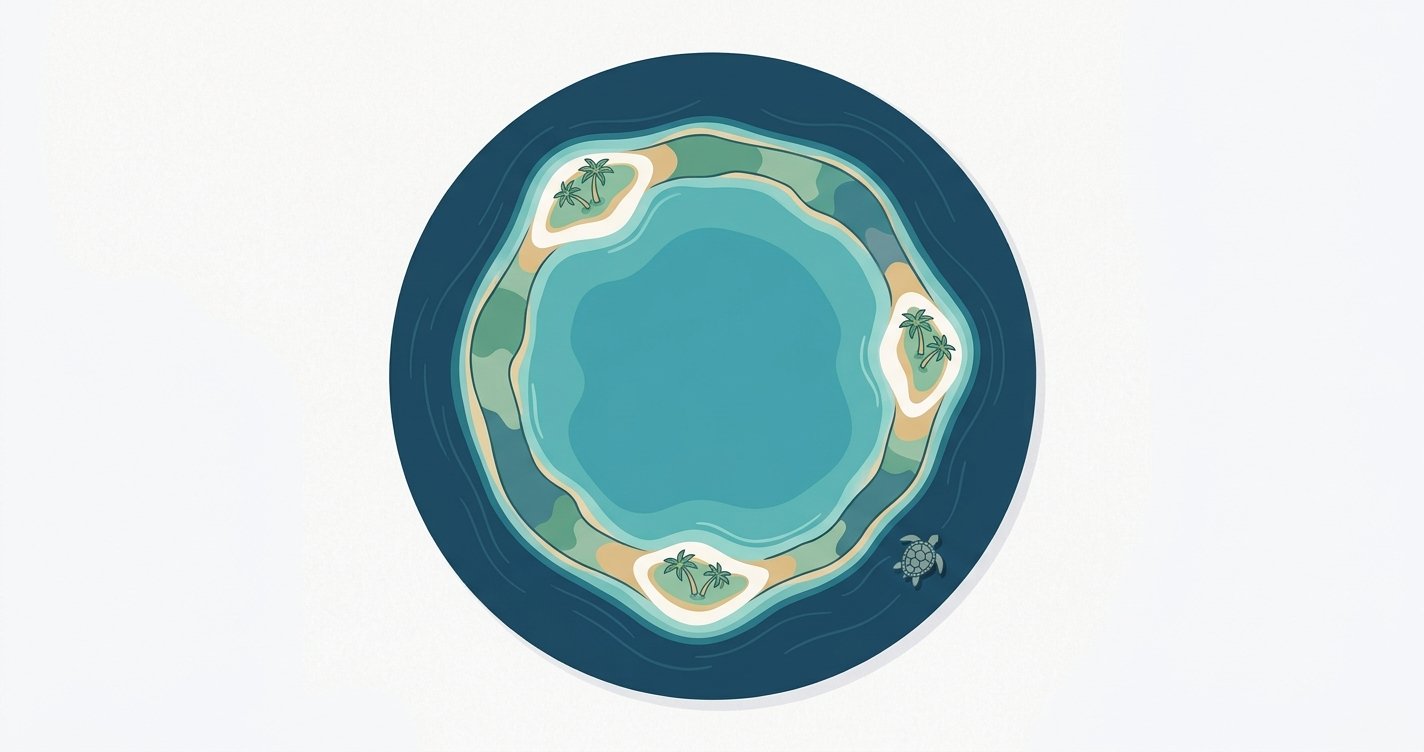
Wikipedia describes the islands as an atoll in the Molucca Islands, about 50 km west of the Penyu Islands and south of the Manipa Strait near Seram. It lists three main islands, Pulau Selatan, Pulau Kaurangka and Pulau Mai, and gives the alternative name Pulau-pulau Maisel. The page gives coordinates of 5°29′39″S 127°32′32″E, and says the islands are “famous for their sea turtle population.” It gives no population, area or administrative details, and I found no source that does.
2. The Name Appears in 19th-Century Records
Wikipedia says Edmund Roberts visited the islands briefly in the 19th century and called them “Lucepara” in his journal, and that people who once lived on Pulau Mai claim the islands and sometimes harvest coconuts. The page gives 1832 for the journal but cites a source dated 1837, so the date is inconsistent. Blogs say Portuguese and Dutch spice ships used the islands as a landmark, but Analyze Magazine names no voyage, log or date for it, so I couldn’t verify that.
3. The Reefs Are Remote and, So Far, Largely Intact
A 2023 study in Marine & Freshwater Research surveyed four sites in October 2019, two in the Lucipara group and two in the Penyu group, in the first visual census of these reefs. It recorded 205 fish species and about 32,350 individuals. Fish biomass at every site was 2 to 10 times above the 1,150 kg per hectare conservation target, with an average near 5,700 kg per hectare, and hard-coral cover averaged 33.6%. The authors link the abundant large predators to the islands’ remoteness, about 210 km from Ambon. They also warn that remoteness makes policing hard and that the area had no official protection. They saw three fishing vessels during the surveys.
4. A Marine Protected Area Is Still Being Planned
The Coral Triangle Center reports that Maluku’s provincial spatial plan allocates the islands, covering 388,712.10 hectares, to the province’s management. It says a Marine Protected Area is not yet designated, with a roadmap running to 2028 and a consortium planned. Field observations in 2021 recorded many sharks and sea turtles, reef condition ranged from damaged to very good, and explosive fishing was named a serious threat. The report says Maluku’s governor supports developing the islands as a premier marine tourism destination, but gives no dive sites, visitor numbers or operators. That is a plan, not an established destination.
5. The Moth Is a Real, Documented Species
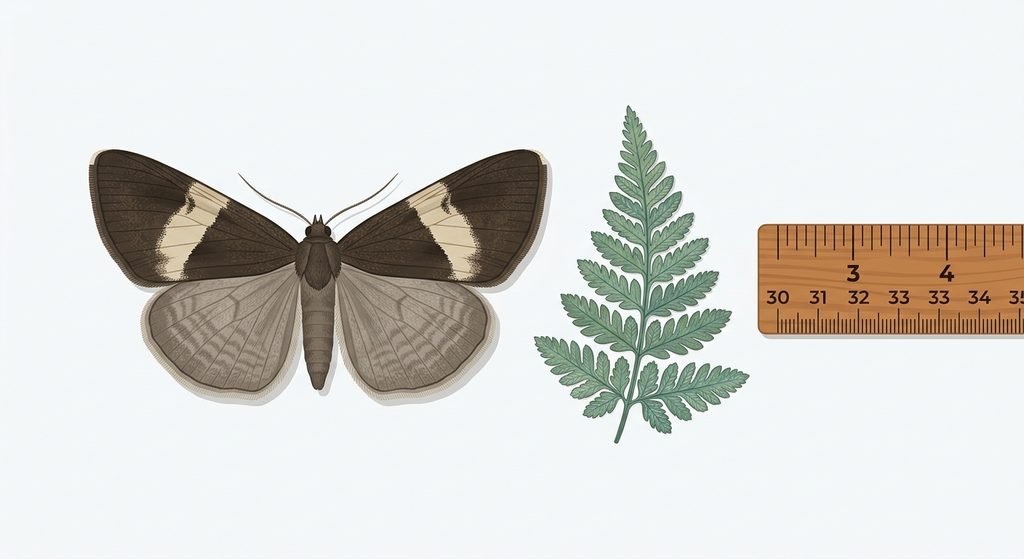
Euplexia lucipara, the small angle shades, is a noctuid moth that Linnaeus described in 1758 in the 10th edition of Systema Naturae. Wikipedia gives a wingspan of 30–35 mm, dark brown forewings with a pale band and a velvety green larva, and a range across Europe, western Asia, Siberia, China and Japan. In the British Isles, adults fly at night in June and July, with a second brood sometimes in September, and the species overwinters as a pupa. Larvae are mainly associated with ferns, though the page lists many other plants. The Azorean Biodiversity Portal lists it as introduced to the Azores, with records from Santa Maria.
6. The Blog Pages Disagree and Cite Little
| Page | What it says the word is | What it doesn’t provide |
|---|---|---|
| Analyze Magazine (Apr 2026, “Admin”) | The island group, the moth, a Latin origin and a symbol of exploration, in a Travel post | Named sources; says the origin is both “widely believed” Latin and “not definitively established”; reading time shows 8 and 6 minutes; “Lorem ipsum” placeholder text in the subscribe box |
| Cloud Nexus Lab (Jan 2026, “admin”) | A word meaning “light-bearing,” from Latin lux and parere, used in biology, art and branding | Any named organism, text or brand; its conclusion links to the islands, which don’t match its definition |
| Search-result titles I did not open | “Timeless tradition,” “emerging trend,” “gaining attention online” | Anything I could check; I treat them as unverified |
What Is Verified and What Is Not
| Claim | Status |
|---|---|
| The islands are an atoll in the Banda Sea, Maluku | Stated by Wikipedia and the Coral Triangle Center |
| Three main islands and known for sea turtles | Per Wikipedia |
| Reef fish biomass far above the conservation target | Peer-reviewed study, 2019 surveys, four sites |
| It is a designated Marine Protected Area | No; planned, with a roadmap to 2028 |
| Edmund Roberts used the spelling “Lucepara” | Per Wikipedia, with an inconsistent date |
| Euplexia lucipara was described by Linnaeus in 1758 | Wikipedia and BioImages |
| The word comes from Latin for “bringing light” | Repeated by blogs; no source found |
| Spice ships used the islands as a landmark | Blog claim; no voyage cited |
| The moth and the islands share a name origin | No evidence found |
| Tourist access, permits or operators | Not found |
If You’re Thinking of Visiting
The sources I read describe a remote, unprotected atoll with a tourism plan, not a ready destination. Before you spend money, check these yourself:
- Look for a licensed operator. Ask for the company’s registration, safety record and insurance, since the islands are about 210 km from Ambon.
- Ask about permits. I found no permit rules, so confirm them with Maluku’s marine affairs office or an operator.
- Check weather and sea conditions. The blogs mention currents and weather but give no data.
- Ask about conservation rules. The area was not yet a protected zone, so ask how an operator avoids harming reefs and turtles.
- Don’t rely on blog itineraries. The pages I read give no routes, prices or dive sites.
How to Check a Word That Means Two Things
- Search the scientific name. A word in italics with a person’s name and a year, like Linnaeus 1758, is a taxonomic name, and databases like BioImages record it.
- Search the place name separately. Maps, government plans and surveys confirm a place.
- Don’t merge the meanings. A moth and an island sharing a spelling aren’t the same story without a source.
- Treat Latin etymology as a claim. Look for a dictionary or the author’s own explanation.
- Watch for template leftovers. “Lorem ipsum” and mismatched reading times mean unfinished pages.
- Apply the same test elsewhere. We use it in our guides to wenrath, tsunaihaiya and merfez.
Frequently Asked Questions
What does lucipara mean? It is the name of an island group in Indonesia and part of the moth’s scientific name, Euplexia lucipara. Blogs also give a Latin “light-bearing” meaning, which I couldn’t verify.
Where is lucipara? In the Banda Sea, in Indonesia’s Maluku region, about 50 km west of the Penyu Islands, per Wikipedia.
What is the moth? The small angle shades, a noctuid moth described by Linnaeus in 1758, with a wingspan of 30–35 mm.
Is lucipara a protected area? Not yet. The Coral Triangle Center says a Marine Protected Area is still being planned, with a roadmap to 2028.
Can tourists visit lucipara? I found no verified access, permit or operator information. The government supports tourism development, but it is a plan.
What lives on the reefs? A 2023 study recorded 205 fish species at four sites across two island groups, and reports mention sharks and sea turtles.
Does lucipara mean “bringer of light”? Some blogs say so, from Latin lux and parere. I found no dictionary or scholarly source for it.
Is it a tradition or trend? I found no evidence of that. Those descriptions come from pages that cite no sources.
Bottom Line
lucipara is a real name, with two documented uses: an island group, a remote Banda Sea atoll with exceptionally healthy reef-fish numbers and no formal protection yet, and the moth Euplexia lucipara, described by Linnaeus in 1758. The Latin “light-bearing” story and the “timeless tradition” pages have no support I could find, and I saw no evidence linking the two meanings. If you’re researching it, use the scientific and conservation sources above, and verify any travel claim with a licensed operator.