Tsunaihaiya Meaning: The Real Jewelry Brand Behind the Name and 7 Facts to Know
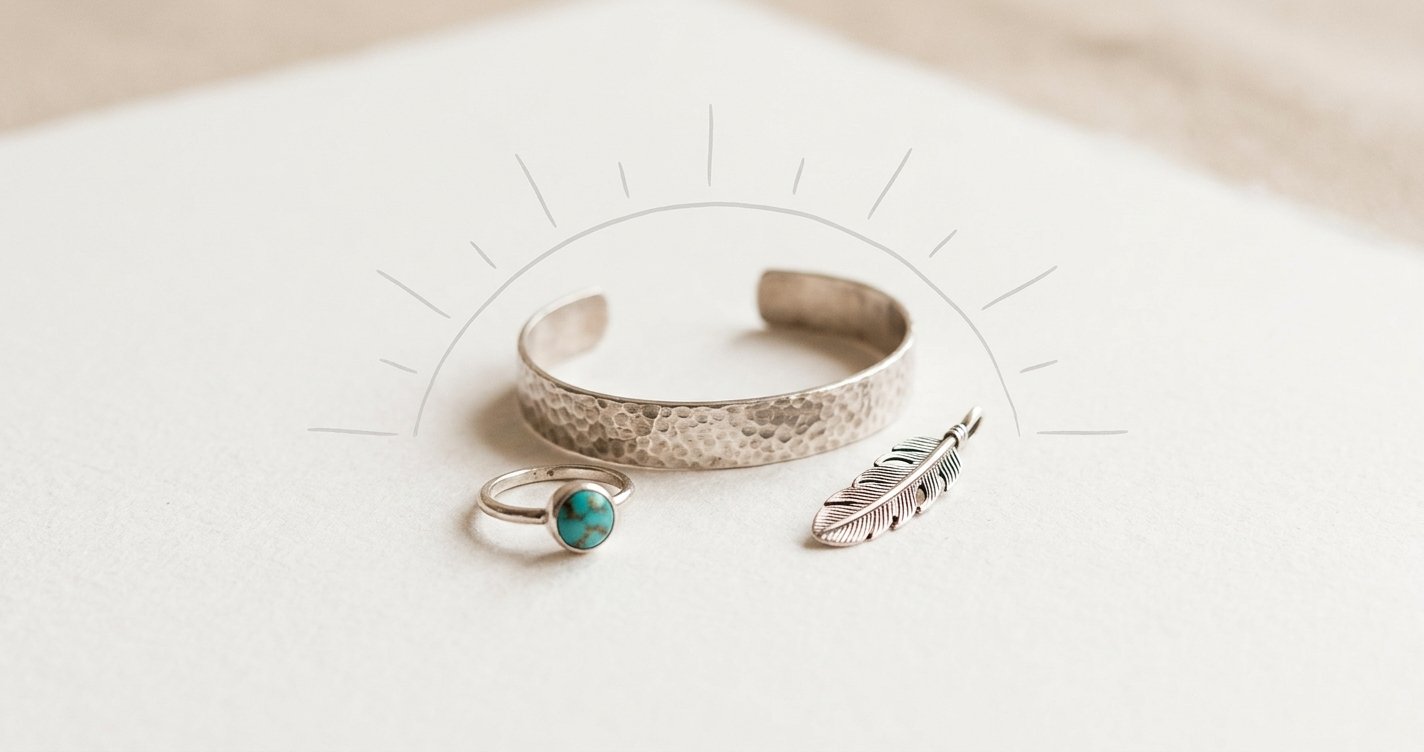
Tsunaihaiya is described online as a sunrise chant, a lifestyle philosophy, a travel spot and a symbol of “unity,” yet the clearest evidence points to something much simpler: the katakana-and-Latin name of a small handmade jewelry label, written “Tsunai Haiya” or ツナイハイヤ by the shops that sell it. The label is linked to Japanese designer Yusuke Kuwano and a San Carlos Apache artist, Craig Dan Goseyun. This guide separates what retailers state, what blog articles only repeat, what the name is said to mean, and what to ask before you pay for a piece that is sold as Native American-inspired.
A note on method: I read four articles that explain the word (Writer Magazine, Silicon Valley Time, Rideables and Binge Saga), two Japanese retailer pages (Leather Tramp and its12midnight) and the US Federal Trade Commission’s guide to buying American Indian arts and crafts. A fifth article (Good Roasts) blocked my tools, and a third retailer page (Diffusion) would not load. I could not find the brand’s own official website, so the brand’s history rests on retailers and blogs. I am not an expert in Apache language or in jewelry authentication.
The Short Answer
Tsunaihaiya is best read as a brand name. Two Japanese retailers say the label was founded in 2012 together with Craig Dan Goseyun of the San Carlos Apache, and both say the name means “the rising sun (Japan)” in the Apache language. That meaning comes from the sellers, not from a dictionary or a tribal source I could check. Pages that call it an ancient chant, a mindfulness practice or a place offer no evidence, and one of them admits it is not a travel destination.
7 Facts About Tsunaihaiya
1. Retailers Describe It as a Jewelry Label Founded in 2012
Leather Tramp, a Japanese shop, writes that the label “Tsunai Haiya” was set up in 2012 with Craig Dan Goseyun of the San Carlos Apache tribe. The same shop says the jewelry continues Native American techniques passed down through generations and mixes in traditional Japanese techniques. The shop lists the brand location as Japan / Osaka, and names Yusuke Kuwano as designer.
2. The Name Is Said to Mean “Japan” or “Rising Sun”
Both retailers say the name means “日出ずる (Japan),” roughly “where the sun rises,” in Apache. Binge Saga repeats this as something “retailers describe” and doesn’t verify it. I found no Apache dictionary entry or tribal statement for the phrase. Treat the translation as the sellers’ account, which is reasonable but unconfirmed. Several blogs go further and turn the meaning into “unity,” “calm” or “new beginnings,” which the retailers never say.
3. The Designer’s Background Comes From a Retailer Profile
The its12midnight profile says Kuwano moved to Santa Fe, New Mexico, in 2009, the center of what it calls Southwest art, and studied metalwork at the Institute of American Indian Arts. Binge Saga adds details such as awards in 2011, training under a Navajo jeweler and a BFA in 2012, with no citations, so I have not repeated them as fact.
4. Tsunaihaiya Jewelry Is Silver, Stones and a Mix of Materials
The its12midnight listings include necklaces, bracelets, bangles, rings, anklets and key rings, with product names mentioning silver, gold and pink gold and stones such as turquoise, lapis, onyx, moonstone and magnesite. Binge Saga says most pieces are sterling silver and one ring is a brass core with ruthenium plating. Check each product page for the metal and stone details, since materials vary by piece.
5. Prices Are Mid-Range, Based on One Listing
When I read it, the its12midnight list ran from ¥4,400 for a Loose Ring to ¥68,200 for a feather bangle, tax included. Prices change and vary by shop, so use this only as a rough guide to the range. Silicon Valley Time says prices “typically range from ¥20,000+” without data.
6. Where It Is Made Is Not Clearly Stated
The retailers I read tag the label as Osaka-based and don’t say where the pieces are manufactured. Writer Magazine calls it US-based with finishing “often” in Japan, and Binge Saga says only that the work draws on the American Southwest. Those descriptions don’t match, so ask the seller for the place of manufacture in writing.
7. The Blog Articles Disagree and Mostly Cite Nothing
| Page | What it says tsunaihaiya is | What it doesn’t provide |
|---|---|---|
| Writer Magazine (Apr 2026, “losy james”) | An Apache word for “sunrise” and a US-based jewelry brand finished in Japan | Any source or named shop; asks if it’s “a travel place” and sits in a Travel category; its FAQ lists onyx and lapis, which the body doesn’t mention |
| Silicon Valley Time (Nov 2026) | A term blending Apache roots with Japanese aesthetics, plus a brand | A word breakdown or source; calls it an Apache term but says the founders chose it to link two cultures |
| Rideables (Mar 2026, “Admin”) | A layered term for both a jewelry brand and a symbol in digital culture | Sources; calls it “ancient” while dating the brand to 2012, and its ceremony and chant claims are uncited |
| Binge Saga (Aug 2026, “Ivan”) | A Japanese silver jewelry brand inspired by Native American craft | Prices, place of manufacture or an official source; the site also hosts unrelated promotional posts |
What Is Verified and What Is Not
| Claim | Status |
|---|---|
| It is a jewelry label | Stated by two Japanese retailers |
| Founded in 2012 with Craig Dan Goseyun of the San Carlos Apache | Stated by two retailers; no primary source found |
| Yusuke Kuwano is the designer | Stated by one retailer |
| The name means “Japan” or “rising sun” in Apache | Retailers’ claim; no dictionary or tribal source |
| It means unity, calm or a chant | Blog claims only |
| It is made in Japan | Not stated by retailers; blogs disagree |
| It is a place, ritual or philosophy | No evidence |
| Sold in Tokyo shops and growing in Europe and America | Unverified |
| Official website | Not found |
Before You Buy: Check Native-Inspired Jewelry

Because tsunaihaiya is linked to an Apache artist but also to a non-Native designer, it is worth knowing how US law treats these descriptions. The FTC says art and craftwork made after 1935 can be marketed as “Indian,” “Native American” or as a particular tribe’s product only if the maker is a member of a federally or state-recognized tribe, or a non-member artisan certified by the tribe. The FTC adds that this works by making it illegal to say a product was made by an Indian when it wasn’t. I’m not saying anything about this label’s compliance. I’m saying the question is fair to ask a seller:
- Ask who made the piece. Ask for the maker’s name and whether the seller describes it as Native American-made or Native-inspired.
- Get claims in writing. The FTC says a reputable seller will provide a written guarantee about who made it.
- Watch qualifiers. Words like “heritage,” “descent” and “inspired by” can mean the maker isn’t a tribal member.
- Ask about the stones. The FTC suggests asking whether stones are dyed, stabilized or reconstituted, and how that affects care and value.
- Check the metal. “Sterling” and “925” mean 92.5% silver; nickel silver doesn’t qualify as silver under FTC guidance.
- Look at the finish. Clear stamps, well-fitted stones and a maker’s hallmark are good signs; glue and uneven stones are warnings.
- Pay by credit card if you can, so you can dispute a charge.
- Be wary of unusually low prices. The FTC notes authentic, high-quality pieces can be expensive.
If a seller can’t answer, you can report suspected problems at ReportFraud.ftc.gov or to the Interior Department’s Indian Arts and Crafts Board at 1-888-ART-FAKE.
How to Check a Brand Page Like These
- Look for a primary source. An official site, maker statement or shop with the brand’s own wording beats a repeated blog.
- Compare retailers. Two shops saying the same thing in the same words may share one description, so treat them as one source.
- Separate the name’s meaning from the brand’s story. A translation is a claim until a language source confirms it.
- Notice sudden symbolism. “Unity,” “calm” and “mindfulness” are marketing words unless the maker says them.
- Check dates and categories. A jewelry article filed under Travel or hosted beside unrelated promos is a warning.
- Apply the same test elsewhere. We use it in our guides to wenrath, merfez and harouxinn.
Frequently Asked Questions
What is tsunaihaiya? Japanese retailers describe it as the name of a handmade jewelry label founded in 2012 with Apache artist Craig Dan Goseyun. Many blogs also describe it as a symbol, with no evidence.
What does tsunaihaiya mean? Retailers say it means “Japan” or “the rising sun” in Apache. I couldn’t confirm this with a dictionary or tribal source.
Who founded tsunaihaiya? Two retailers name Craig Dan Goseyun of the San Carlos Apache as co-founder and Yusuke Kuwano as designer. I found no official site confirming it.
Is tsunaihaiya Japanese or Native American? It is described as a Japan-based label (Osaka) that mixes Native American and Japanese techniques. Whether pieces are made in Japan isn’t stated.
Is tsunaihaiya a real brand? Yes, retailers list its products. I found no official brand website.
What is tsunaihaiya jewelry made of? Retailer listings mention silver, gold, pink gold, turquoise, lapis, onyx, moonstone and magnesite. Materials vary by piece.
How much does tsunaihaiya cost? One retailer list ran from ¥4,400 to ¥68,200 when I read it. Prices vary by shop.
Is tsunaihaiya a place or ritual? I found no evidence of it. One article that asks whether it is a travel place says it isn’t.
Bottom Line
tsunaihaiya is most reliably a jewelry label, known from Japanese retailers as Tsunai Haiya (ツナイハイヤ), co-founded in 2012 with Apache artist Craig Dan Goseyun and designed by Yusuke Kuwano. The “rising sun” meaning comes from sellers and is unconfirmed, and the spiritual, travel and philosophy stories have no support. If you plan to buy, check the seller, the metal and stones, the place of manufacture and any claim about who made the piece, and get answers in writing.