Dentiloquent Meaning: 6 Facts About the Rare “Speaking Through Teeth” Word
Dentiloquent sounds like a word a Victorian novelist would have used for someone who talks with clenched jaws, and that is almost exactly what the few pages that define it say. The catch is that no dictionary I could open lists it, while two real, older cousins, dentiloquy and dentiloquist, do. This guide explains what the word means, which parts are documented and which are inferred, how to use it and why you may want a safer synonym.
A note on method: I checked Etymonline for dentiloquy, Webster’s 1828 entry for dentiloquist through StudyLight, an open-data Wiktionary entry for dentiloquist, a Wiktionary entry for the comparable word dulciloquent and two blog pages that define dentiloquent. I did not find a dictionary entry for dentiloquent itself. Example sentences below are my own, not quotations.
The Short Answer
As an adjective, it means speaking through the teeth, with the jaw held closed or clenched. It is not in the dictionaries I could open, so treat it as a rare or coined form built on documented relatives. The noun dentiloquy means the act of speaking through the teeth, and dentiloquist means a person who does it.
6 Facts About Dentiloquent
1. The Word Is Built From Two Latin Roots
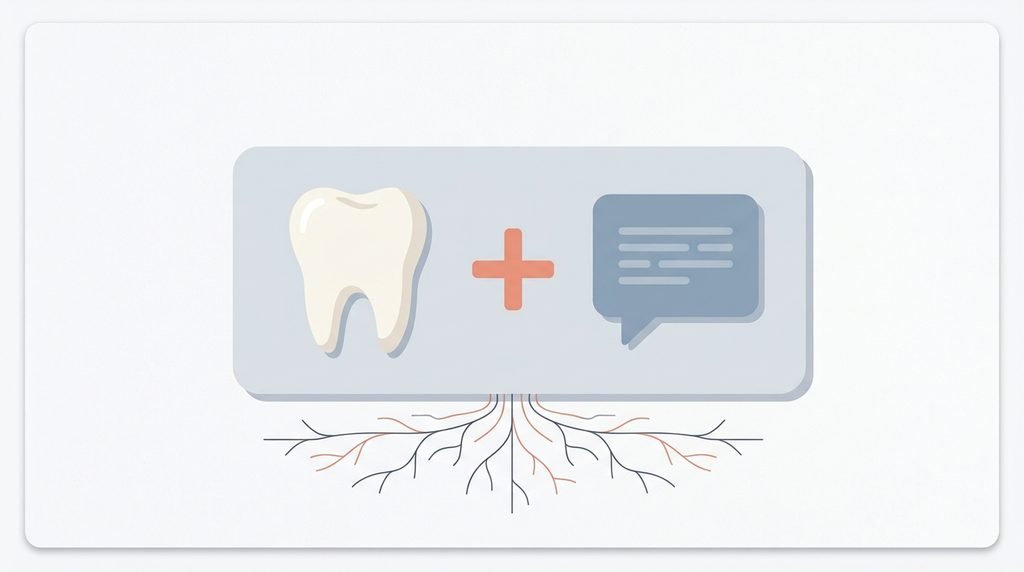
Etymonline says dentiloquy combines Latin dens (genitive dentis), “tooth,” with -loquy, from Latin loqui, “to speak.” The two blog pages that define the adjective say the same about its parts: “denti-” for teeth and “-loquent” from the verb meaning to speak. That matches how the word is put together, but a matching recipe isn’t proof that dentiloquent is a standard word.
2. Its Close Relatives Are Documented
| Word | Part of speech | Meaning | Source |
|---|---|---|---|
| dentiloquy | noun | “act or practice of speaking through the teeth or with the teeth closed” | Etymonline, which dates it to 1737 |
| dentiloquist | noun | “One who speaks through the teeth, that is, with the teeth closed” | Webster’s 1828 dictionary via StudyLight |
| dentiloquent | adjective | Speaking through the teeth | Defined by two blog pages; no dictionary entry found |
One caution: a different “Word of the Day” page gives 1913 as the first recorded use of dentiloquy, while Etymonline says 1737. I can’t tell which is right, so I’d cite the date only with its source, or leave it out.
3. The “-loquent” Ending Is a Real Pattern
English has a small family of adjectives that end in -loquent from Latin loquens, “speaking.” Wiktionary lists dulciloquent, “speaking sweetly,” as a rare, literary adjective formed from Latin dulcis (“sweet”) plus loquēns, and notes its related forms dulciloquence and dulciloquy. It fits the same pattern, with the noun dentiloquy as its base. That makes it understandable, but it doesn’t make it established.
4. What the Blog Pages Add and Where They Slip
Two blog pages define the adjective, and they are short (roughly 380 to 750 words) with no named sources.
- sosoactive.it.com (March 2026, “Hannah”) says it was first suggested in 2012 with no source, calls it a “new” and “precise” word, and says it isn’t widely recognized. It adds emotional undertones such as frustration and sarcasm that the plain meaning doesn’t contain.
- blogzone.it.com (undated, no byline) titles it “A New Word” but calls it an “archaic term” in the introduction. It says dentiloquence reveals hidden tension, and mentions “AI-driven sentiment analysis and micro-expression monitoring” without naming any study or tool.
The 2012 date, the “new word” label and the body-language claims are unsupported. The literal meaning, speaking with the teeth closed, is the part that matches the older dictionaries.
5. It Describes a Manner of Speaking, Not an Emotion
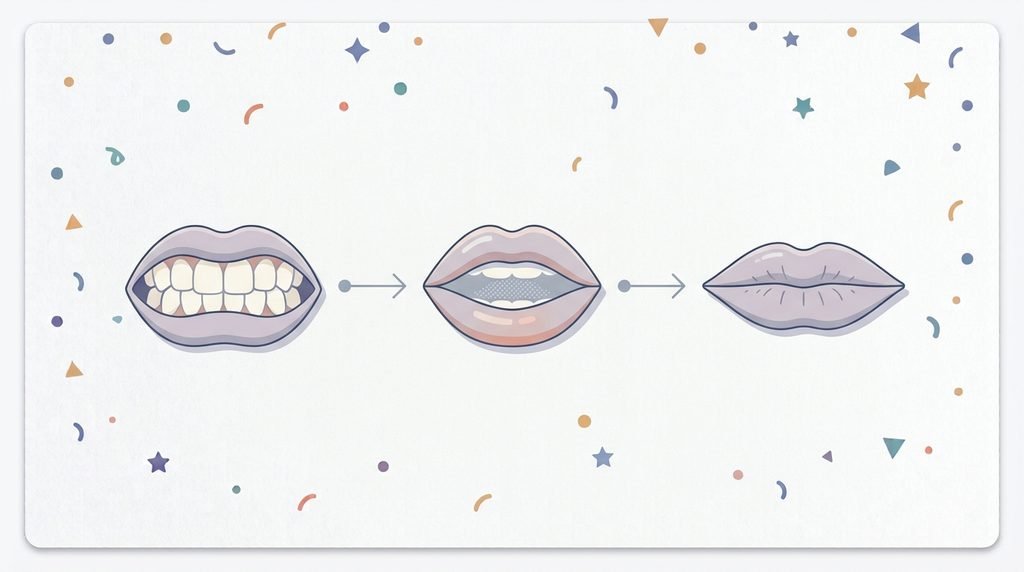
By definition, the word is about how the mouth is held. A person can speak through their teeth from anger, but also from cold, a dental problem, or an attempt to avoid being overheard. The blog pages stress anger and tension, but they also give a “shivering commuter” example, which shows the same speech can have a plain cause. If you want to imply anger, say so in the sentence.
6. It’s Rare, So Context Matters
Because it is not in the dictionaries I checked, many readers won’t know it. In fiction or a humorous essay it can work as a playful, Latin-flavored choice. In business writing, news or teaching materials, it risks confusing people or being flagged as an error. Explain it on first use or choose a plainer phrase.
How to Use Dentiloquent in a Sentence
These examples are my own:
- “He gave a dentiloquent reply, jaw locked, eyes on the door.”
- “In the cold, even the cheerful guide turned dentiloquent.”
- “Her dentiloquent whisper kept the argument from reaching the next table.”
For a noun, use dentiloquy: “His dentiloquy made the announcement almost impossible to follow.”
Plainer Alternatives to Dentiloquent
| If you mean | Try |
|---|---|
| Speaking with the teeth together | through clenched teeth, through gritted teeth |
| Speaking so quietly or indistinctly that it’s hard to hear | mumbling, muttering, murmuring |
| Speaking in a stiff, controlled, tight manner | curt, clipped, tight-lipped |
| Showing anger while restraining it | seething, simmering |
Note that “tight-lipped” usually means saying little, not speaking through closed teeth, so choose it by meaning.
What Is Verified and What Is Not
| Claim | Status |
|---|---|
| Dentiloquy means speaking through the teeth | Confirmed by Etymonline |
| Dentiloquist means one who speaks through the teeth | Confirmed by Webster’s 1828 entry and a Wiktionary-based entry |
| Dentiloquy dates to 1737 | Per Etymonline; another page says 1913 |
| It is an adjective meaning the same | Defined by blog pages; no dictionary entry found |
| It was coined in 2012 | Unsupported |
| It signals stress or hidden anger | An interpretation, not part of the definition |
How to Check a Rare Word Like This
- Search a dictionary. Etymonline, Merriam-Webster, Wiktionary and the OED are the usual first stops. If none has the word, say it is rare or coined.
- Look up its relatives. Words built from the same roots, like dentiloquy here, often turn up when the exact form doesn’t.
- Compare dates. If sources disagree on a first-use year, cite the source.
- Be careful with emotional “extras.” If a definition adds feelings the roots don’t contain, it may be interpretation.
- Check the writer. An unsigned or first-name-only post with no sources is a weak authority on vocabulary.
We use the same approach in our guides to dolfier, sagerne and geeked. For more wordplay, see our list of corny jokes.
Frequently Asked Questions
What does dentiloquent mean? Speaking through the teeth, with the jaw closed or clenched. It’s a rare adjective based on the documented noun dentiloquy.
Is dentiloquent a real word? It is built from real Latin roots and real relatives, but I found no dictionary entry for it.
What does dentiloquy mean? Etymonline defines it as “act or practice of speaking through the teeth or with the teeth closed.”
What is a dentiloquist? Webster’s 1828 dictionary defines it as “one who speaks through the teeth, that is, with the teeth closed.”
Where does it come from? From Latin dens, “tooth,” and loqui, “to speak,” by the same pattern as dentiloquy.
Does it mean angry? Not by definition. It describes how the mouth is held, though anger is a common cause.
Is it the same as mumbling? Not exactly. Mumbling is indistinct speech, while dentiloquent speech is specifically through the teeth.
When did the word first appear? I couldn’t confirm. Etymonline dates the noun dentiloquy to 1737, and one page says a 2012 suggestion, without a source.
Bottom Line
dentiloquent means speaking through clenched or closed teeth, and it rests on documented relatives: dentiloquy, recorded by Etymonline, and dentiloquist, in Webster’s 1828 dictionary. The adjective itself is rare and not in the dictionaries I checked, so explain it the first time you use it and keep the emotional meaning in the sentence, not in the word.